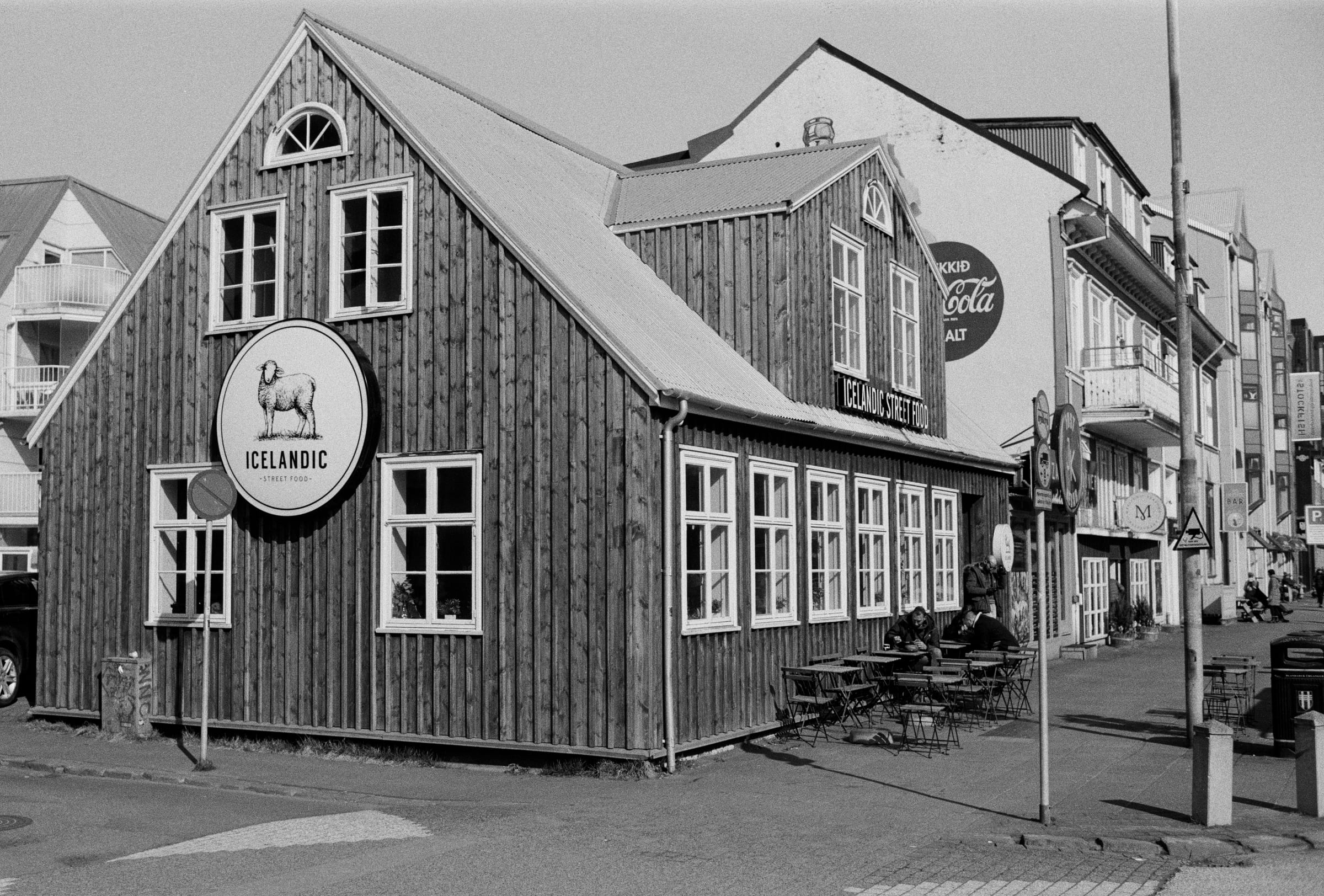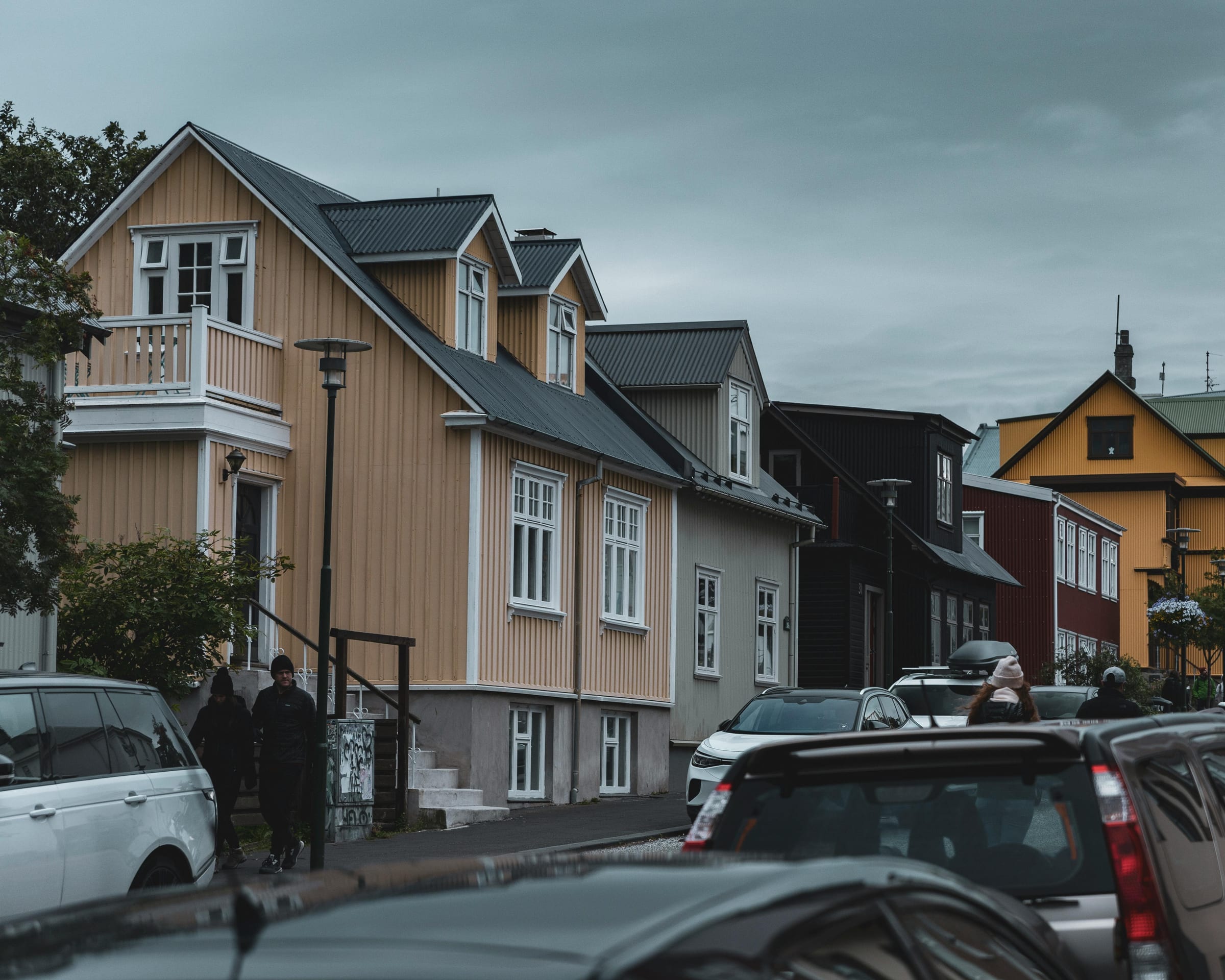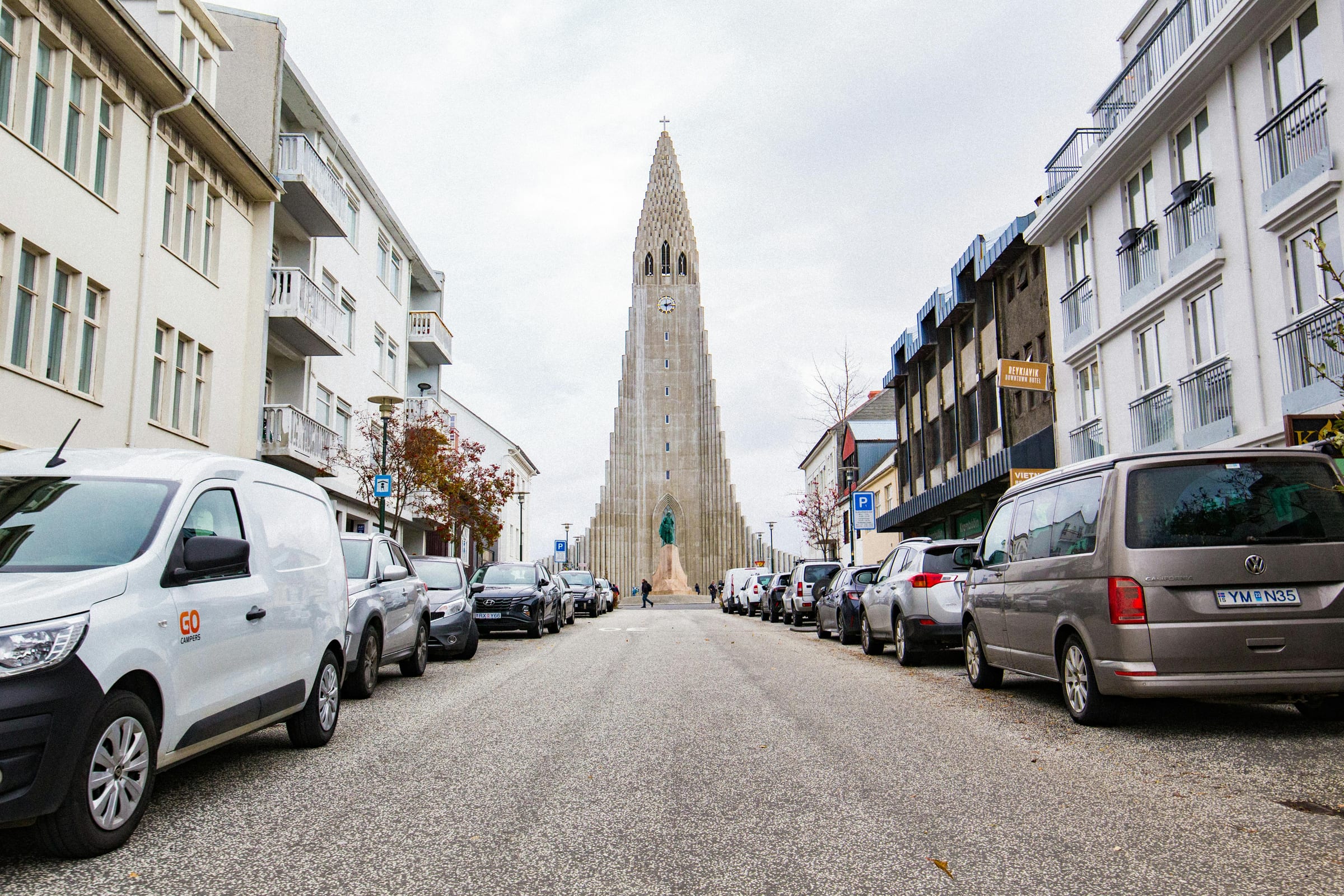
A bowl of lamb soup in central Reykjavik, eaten standing at a counter in a room barely larger than a generous kitchen, is one of the more honest meals you will have in Iceland. No tablecloths, no amuse-bouche, no theatrical plating. Just a deep, fatty broth with root vegetables and shredded meat, made in the way Icelandic households have been making it for a long time. Icelandic Street Food on Lækjargata is where many visitors first encounter that reality, and where plenty of locals return on weekday lunches without giving it much thought.
Why it is worth the trip
Traditional Icelandic home cooking has a short repertoire, and it is built around what the landscape reliably produces: lamb, fish, dairy, and root vegetables. Restaurants that serve this food without dressing it up for tourists are not especially common in Reykjavik’s center, where menus frequently trend toward New Nordic style or international comfort food. Icelandic Street Food occupies a different position. It is a counter-service spot with a short menu of staples, priced for everyday eating rather than occasion dining.
The three dishes that define the place are kjötsúpa (lamb soup), plokkfiskur (fish stew), and fish soup. Kjötsúpa is a slow-cooked broth with lamb on the bone, turnip, carrot, potato, and onion, seasoned simply. Plokkfiskur is something between a hash and a stew: flaked white fish, usually cod or haddock, folded into a thick béchamel with potato, often finished with cheese. Both dishes come from the domestic Icelandic tradition rather than from any restaurant innovation. They are practical, warming, and calorie-dense in a way that makes sense in a cold climate.
For visitors who want to understand what Icelanders actually ate before tourism shaped the food economy, this is a more reliable reference point than most places in the capital. The price point is accessible relative to the wider Reykjavik dining scene, which skews expensive. You are unlikely to leave hungry.
How to get there
Lækjargata runs along the eastern edge of Austurvöllur square, close to the old city center. The location is walkable from most accommodation in Reykjavik’s downtown core, typically within ten to fifteen minutes on foot from the main shopping street Laugavegur. The surrounding area is flat and pedestrian-friendly.
If you are arriving by car, street parking in central Reykjavik operates under a zone system with time limits and fees during business hours. It is worth checking current signage rather than assuming anything about availability. The city is compact enough that parking slightly further out and walking is often the practical choice. Public buses serve the center well, and the main terminal at Hlemmur is not far.
This is not a destination that requires planning beyond checking the current opening hours before you go. It is a central-city stop, not a detour.
What to expect on arrival
The space is small. That is the first thing you notice. Counter seating, limited tables, a queue that forms quickly during the lunch period. The setup is informal and efficient rather than comfortable in any extended sense. You order at the counter, pay, collect your bowl, find a spot if one is available, and eat.
The portions are substantial. The lamb soup in particular is often served with bread, and refills on soup are a feature that regulars are aware of. Whether that remains the case is worth confirming when you arrive, but it has historically been part of the appeal for people eating on a budget.
The clientele at busy times is a mix of workers from nearby offices, tourists who have done some research, and a scattering of people who appear to come regularly. The atmosphere is functional and informal. Conversations happen in Icelandic and English and various other languages without any particular fuss. There is nothing staged about it.
Plokkfiskur is worth ordering if you have not had it before. It does not look like much, being pale and dense, but the flavor is mild and satisfying. It is the kind of dish that reveals how good simple ingredients handled carefully can be. Some visitors find the texture unfamiliar, which is fair. It is not a universally beloved dish even among Icelanders, but it is an honest one.
When to go
The place operates year-round, which matters in a country where seasonal closures affect a significant portion of the visitor infrastructure. Reykjavik itself is a functioning city in all four seasons, and central businesses maintain fairly consistent schedules regardless of what is happening with the weather or daylight.
Lunch is the busier service. If you arrive in the middle of a weekday lunch rush, expect to wait. The wait is not usually long, but the room fills quickly. Coming slightly before or after the peak, or visiting on a quieter weekday morning if they are serving, tends to mean a more relaxed experience. Weekend rhythms differ from weekday ones.
Weather has no practical effect on the visit itself, since you are eating indoors. What weather does affect is how a bowl of hot lamb soup feels. On a wet November afternoon when the wind is horizontal and the temperature is just above freezing, the experience of sitting down to kjötsúpa is different from eating the same thing on a calm August evening. Neither is wrong. The food tastes the same. But the context changes how it lands.
Tips and responsible visitor notes
A few practical observations worth keeping in mind:
- Check current opening hours before visiting. Counter-service spots in Reykjavik sometimes adjust their schedules seasonally or for holidays, and hours may differ significantly from what is listed on third-party review sites.
- The space is small and fills up. If you are with a larger group, arriving at a non-peak time is considerate to other diners and to the staff.
- Cash and card are both widely accepted in Iceland, but it is worth confirming current payment options.
- The menu is short by design. Do not arrive expecting variety. The point is the opposite of variety.
- If you are visiting Iceland primarily for food, pairing this stop with a walk through the old city center makes geographic sense, given the central location.
This is not the most photogenic meal in Reykjavik, and it does not aspire to be. It is a working lunch counter serving food that has fed people in Iceland for generations. That is a reasonable thing to seek out.