
Why Puffins and Iceland Are So Closely Linked
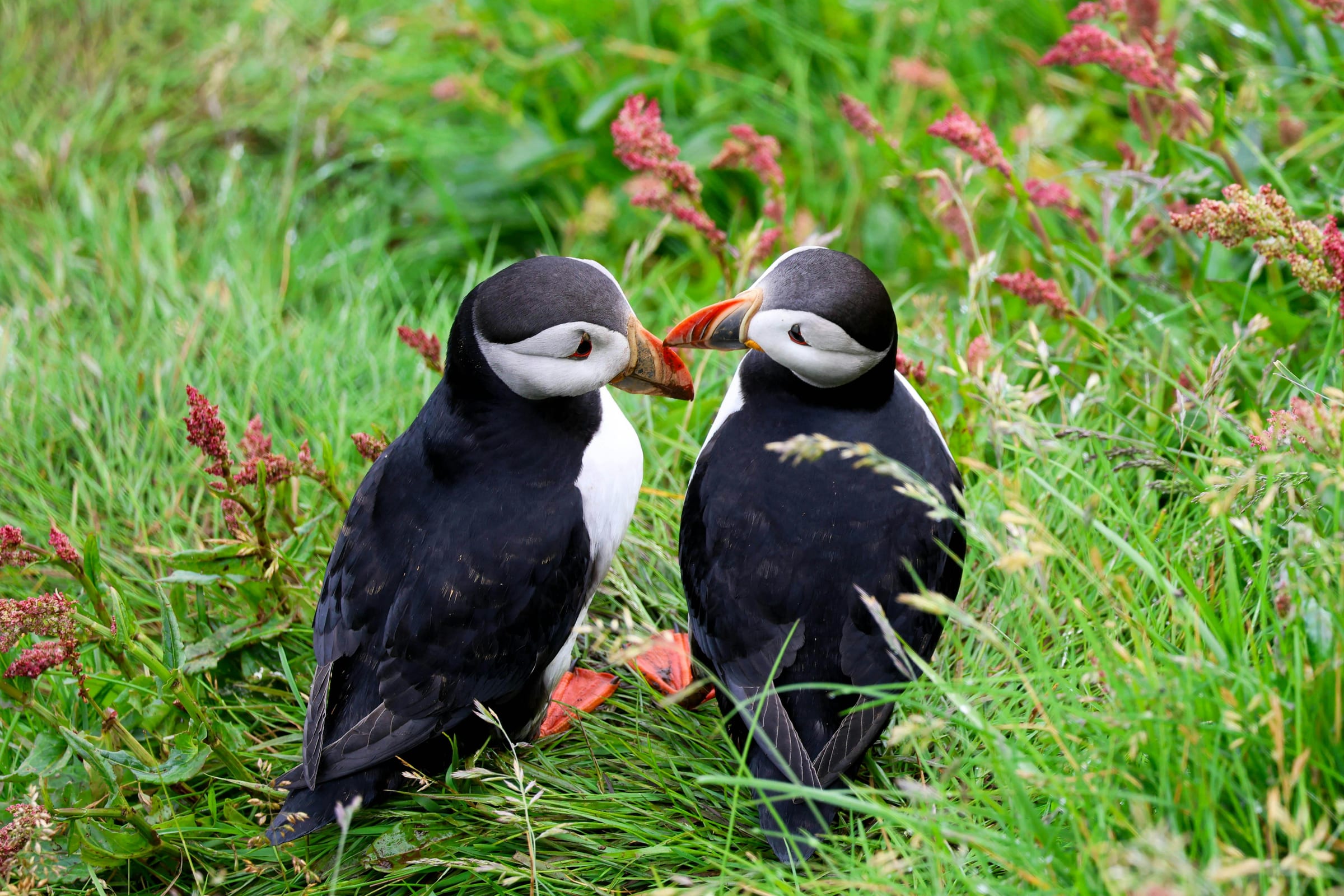
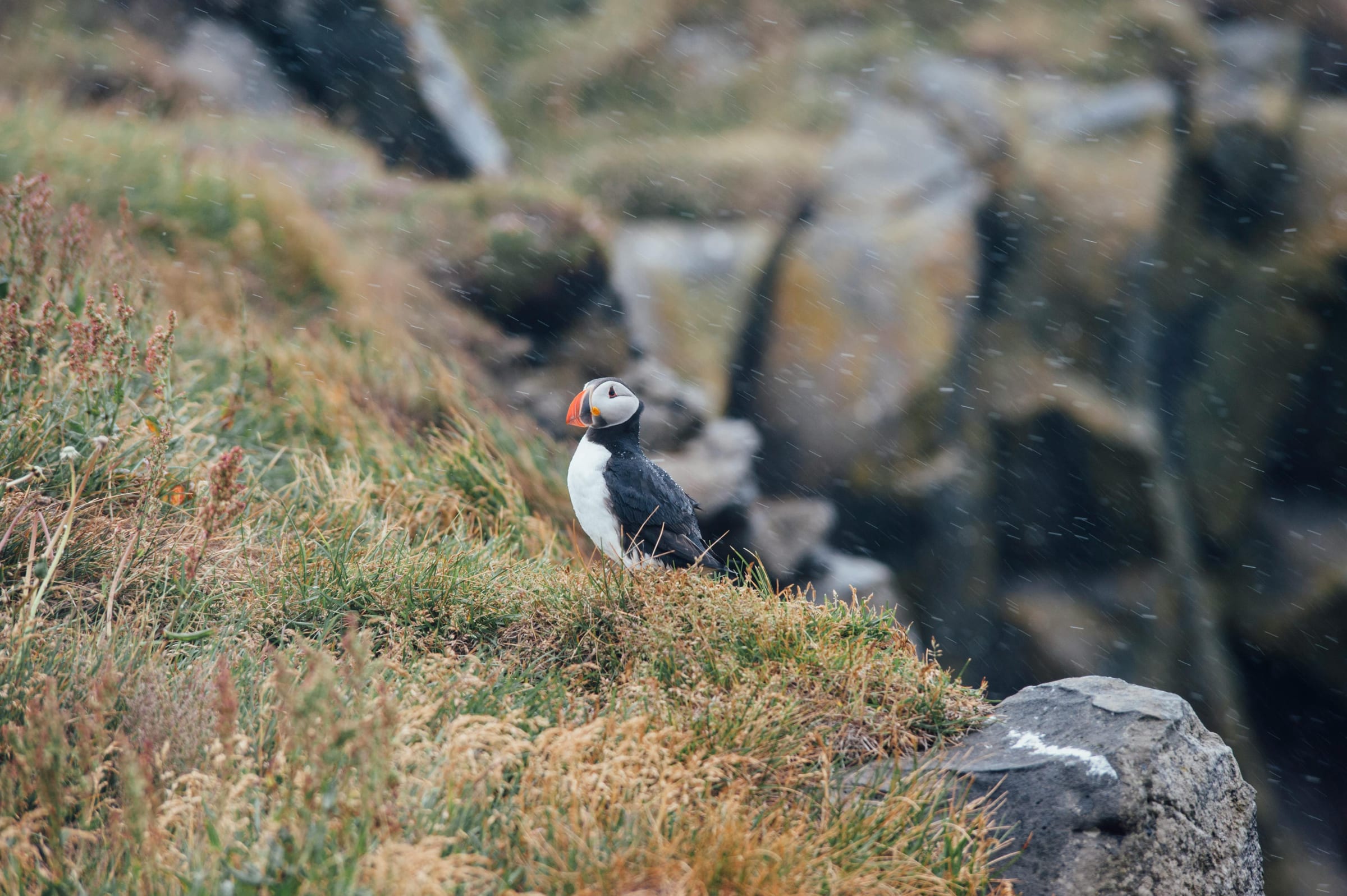
Iceland holds one of the largest Atlantic puffin populations in the world, with the birds returning each spring to nest in coastal cliffs and grassy headlands before heading back out to sea in late summer. For most visitors, spotting puffins feels like an afterthought, a bonus encounter during a road trip rather than a primary goal. That is a mistake worth correcting early. If you plan around the puffin season rather than assuming they will appear whenever you show up, the difference in what you actually see is significant. This guide covers where to go, when to go, how long you need, and what most first-time visitors get wrong about finding these birds.
Who This Trip Suits
You do not need to be a birdwatcher to appreciate puffins. They are sociable, curious, and frequently indifferent to human presence near their burrows, which makes them unusually accessible for wildlife viewing. That said, this guide is most useful if your Iceland trip includes at least some flexibility around timing, coastal access, and an understanding that wildlife is not guaranteed.
This suits solo travellers and couples equally well, and it works as a standalone focus or as part of a broader ring road itinerary. Families with children often find puffin colonies particularly rewarding because the birds are close, active, and easy to understand without specialist knowledge.
When Puffins Are in Iceland
Puffins are present in Iceland from roughly May through August, with the density and activity of colonies peaking in June and July. They begin arriving in late April or early May, and by late August most have left. Some colonies clear out noticeably by mid-August, so if you are visiting in the second half of that month, adjust your expectations. September visits are largely too late for reliable sightings.
The birds nest in burrows they dig into soft cliff-top soil or in rock crevices. They are most active and most visible in the hours around dawn and late afternoon into evening, though during Icelandic summer when daylight is near-continuous, activity patterns are less strictly defined than in lower latitudes.
The Best Locations
The Westfjords: Látrabjarg
Látrabjarg is the westernmost point in Iceland and home to one of the most significant seabird cliffs in Europe. The cliff stretches for several kilometres and hosts large numbers of puffins alongside razorbills, guillemots, and fulmars. The puffins here are famously unbothered by visitors and will sometimes sit at burrow entrances within arm’s reach of people who approach carefully and quietly.
Getting to Látrabjarg requires effort. The Westfjords are remote, and the road to the cliff involves unpaved driving that takes longer than maps suggest. If you are coming from Reykjavik, factor in ferry crossings or long inland drives. Most visitors reach the area by combining ferry travel across Breiðafjörður with driving, which cuts the overland distance considerably. This is not a day trip from the capital unless you are comfortable with very long driving days.
The tradeoff is real: Látrabjarg delivers the most reliably close encounters with puffins of anywhere in Iceland, and it tends to be significantly less crowded than southern alternatives. For travellers with a week or more, building in two nights in the Westfjords to see Látrabjarg is worth serious consideration.
South Iceland: Dyrhólaey and the Vík Area
Dyrhólaey is a headland near Vík in south Iceland and one of the more accessible puffin locations for travellers on the ring road. It combines puffins with dramatic coastal scenery, and the colonies here can be viewed from cliff-top walking paths. Access is sometimes restricted during nesting season to protect the birds, so it is worth checking before you arrive whether all viewpoints are open.
The advantage here is convenience. Dyrhólaey sits close to popular south coast stops like Reynisfjara and the Skógafoss waterfall, so it fits naturally into a ring road itinerary without requiring a detour. The disadvantage is that it attracts substantial visitor numbers, particularly in June and July. The puffins are still present and viewable, but the experience is more crowded and the birds are generally farther away than at Látrabjarg.
East Iceland: Borgarfjörður Eystri
Borgarfjörður Eystri, a small village on the east coast, has a puffin colony directly at the harbour, with a viewing platform built specifically to allow close observation without disturbing nesting birds. This is one of the most thoughtfully set up puffin viewing spots in the country. The burrows are at low elevation near the water, and the viewing platform keeps visitors at a respectful distance while still offering genuine proximity.
East Iceland is undervisited relative to the south, which means Borgarfjörður Eystri tends to be quieter. The road in involves some winding mountain driving and takes longer than straight-line distance implies, but for travellers doing a full ring road circuit, this is a natural stop on the eastern leg.
The Westman Islands: Heimaey
Heimaey in the Vestmannaeyjar archipelago off the south coast supports one of the largest puffin colonies in Iceland and is worth mentioning for its additional cultural context. The island has an active relationship with puffins that includes a tradition of helping fledglings that become disorientated by town lights, a practice locals have maintained for generations.
Getting to Heimaey requires a ferry from the south coast, and most visitors combine it with at least one overnight stay. Puffin viewing here involves cliff walks on the southern and western parts of the island. This option suits travellers who want to see puffins in a lived-in island environment rather than purely as a wildlife excursion.
What to Prioritize When Time Is Tight
If you have a week in Iceland and puffins are a clear priority:
- Choose one dedicated puffin location rather than trying to tick off several. The birds vary less between sites than the access and crowd levels do.
- If you are based in Reykjavik with limited time, the south coast options are the most practical, but set expectations for crowds in peak season.
- If you have ten days or more, the Westfjords or east Iceland allow you to combine better viewing conditions with less visited landscapes.
- Avoid planning puffin viewing for mid-August or later without checking recent reports. The timing of departure varies year to year.
Seasonal and Driving Tradeoffs
June and early July offer the longest daylight and the most active colonies, with birds constantly ferrying sand eels back to burrows. This is the peak period for photography and for seeing chick-rearing behaviour. July is also peak tourist season in Iceland, which means the accessible sites near the ring road will be busy.
Driving in June presents no significant weather-related restrictions for most locations, though the Westfjords require more attention to road conditions and should not be underestimated for time. Mountain roads elsewhere in Iceland may still carry some snow in May depending on the year.
If you are visiting in late July or August, the puffin season is winding down at the far end of the spectrum. Activity is still present but declining, and some birds will have already left. Early August is generally still reliable; late August is a gamble.
Practical Planning Before Booking
A few things worth sorting before you arrive:
- Binoculars are not strictly necessary given how close puffins can be at the better sites, but they improve the experience at cliffside locations where the birds are nesting in numbers below you.
- A 200mm or longer lens is useful for photography at distance, though at places like Borgarfjörður Eystri and Látrabjarg, wide-angle shots of nearby birds are genuinely possible.
- Puffins are sensitive to being startled at burrow entrances. Moving slowly and staying low when approaching nesting areas makes a real difference in what the birds do.
- Check local guidance for any site-specific access restrictions before visiting. These exist to protect nesting success and are worth respecting regardless of what other visitors are doing.
- Layering is essential even in June. Coastal headlands in Iceland are reliably cold and windy regardless of sun conditions, and the wait for good bird activity can mean standing still for extended periods.
Planning around puffins specifically is one of the more rewarding adjustments you can make to an Iceland itinerary. The birds reward patience and timing, and the locations that support them tend to be coastal, wild, and interesting in their own right.
.jpg)