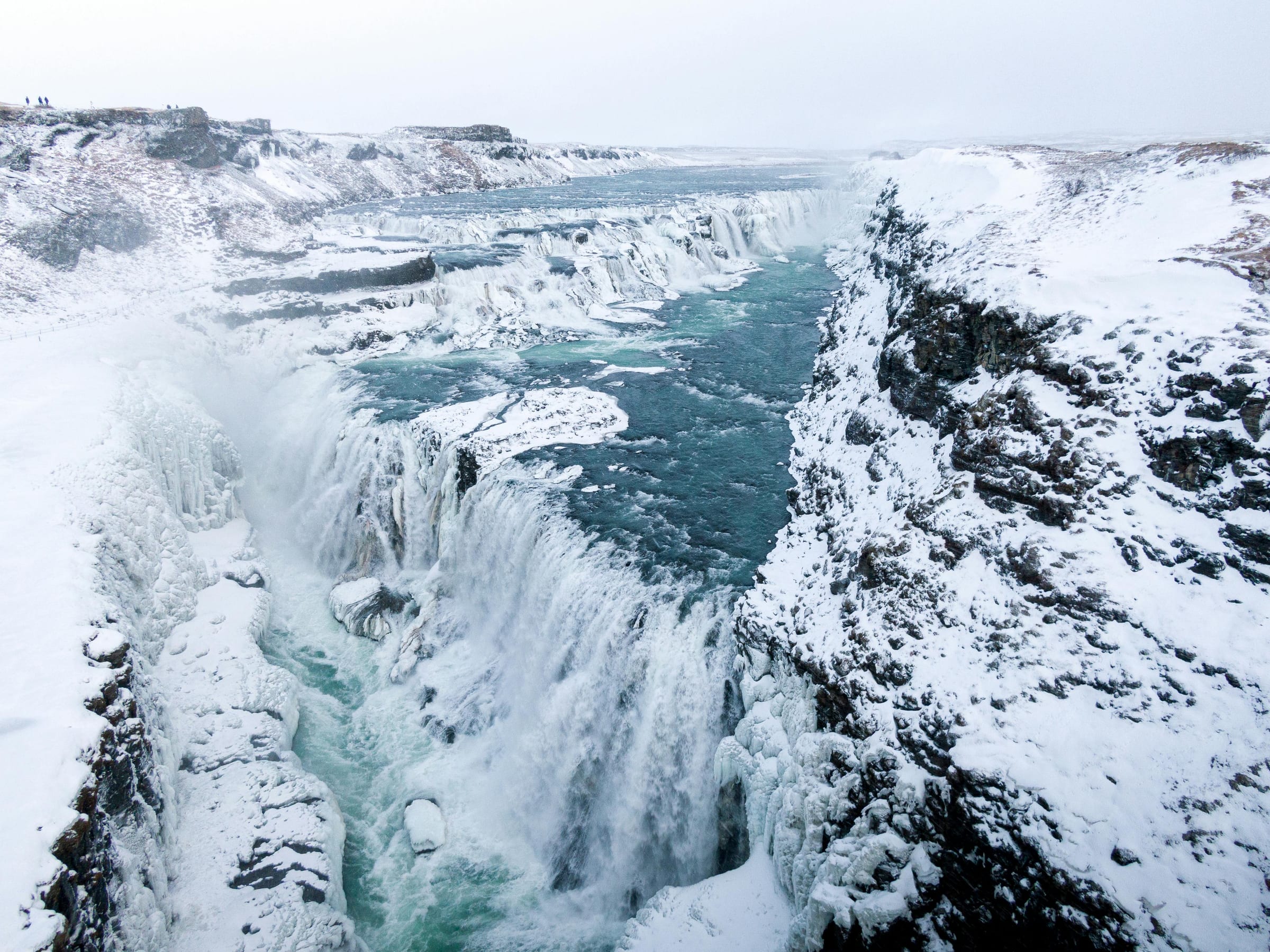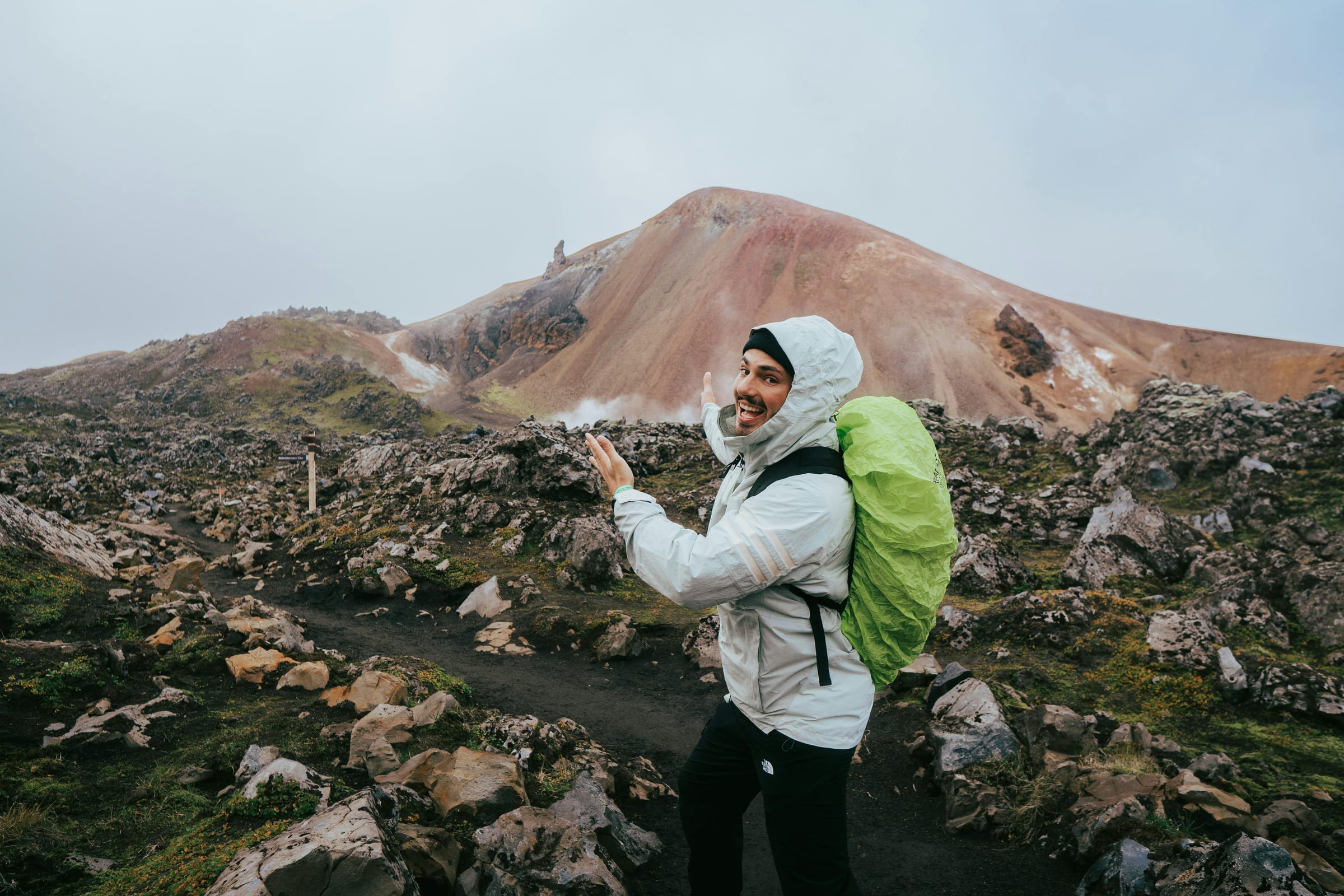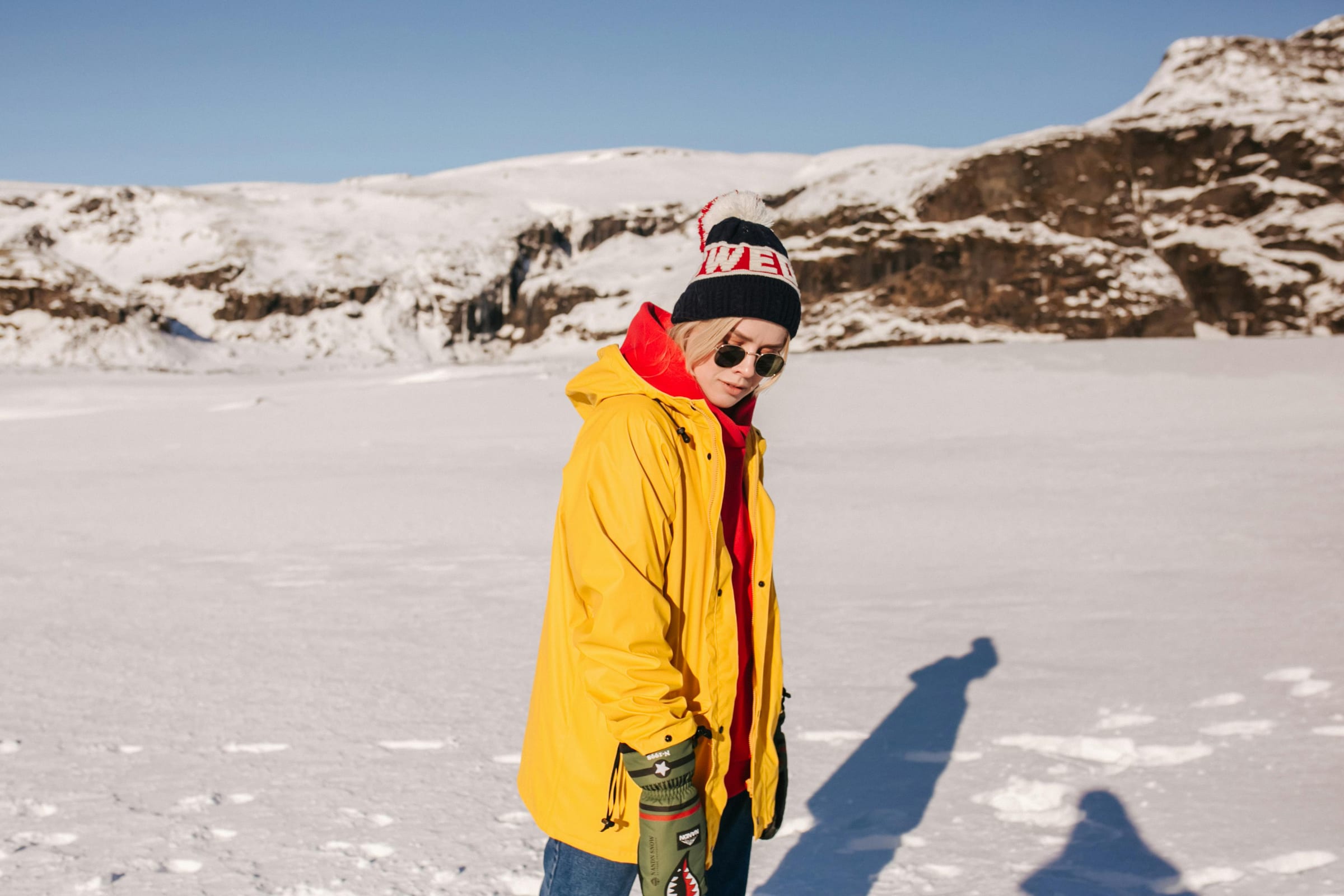
Iceland’s weather does not follow conventional seasonal logic. Even in July, temperatures can drop sharply and wind can drive rain horizontally across an otherwise clear afternoon. In January, you might get a mild, dry day that feels more forgiving than a wet September evening. The central challenge with packing for Iceland is not choosing between warm and light clothing, but rather building a system that handles rapid, unpredictable shifts regardless of when you travel. This guide walks through what to bring for each of the three broad travel windows: summer (roughly June through August), winter (November through February), and the shoulder seasons of spring and autumn (March through May and September through October).
How Iceland’s Climate Actually Works
Before sorting by season, it helps to understand what stays constant. Iceland sits in the North Atlantic where warm Gulf Stream air meets cold Arctic air masses, producing instability year-round. Wind is often a bigger factor than temperature. A 5°C (41°F) day with 50 km/h gusts will feel far colder than a calm day at the same reading. Rain arrives without much warning, clears quickly, and returns. No matter the season, layering is not a style choice, it is a functional necessity.
Waterproofing is the single most important packing principle across all three seasons. A jacket that is merely water-resistant will soak through on a wet hike within an hour. Fully waterproof, taped-seam outerwear is worth the weight.
Packing for Summer (June to August)
Summer is Iceland’s warmest window, but “warm” is relative. Daytime temperatures along the coast typically range between roughly 10°C and 15°C (50°F to 59°F), with occasional warmer days in the capital. Highlands can be significantly colder and windier. Midnight sun means extended outdoor days, which increases exposure time and the risk of underestimating conditions.
Core clothing layers for summer:
- A moisture-wicking base layer in merino wool or synthetic fabric. Merino is worth considering because it manages odor across multiple days, which matters on multiday hikes or road trips with limited laundry access.
- A mid-layer, such as a fleece or lightweight insulating jacket, for mornings, evenings, and any time you gain elevation or stop moving.
- A fully waterproof and windproof outer shell. This is the one item where budget shortcuts tend to backfire. Look for a hood that cinches tight, because wind will defeat a loose one quickly.
- Two or three pairs of lightweight hiking pants or convertible trousers. Avoid jeans entirely. Denim becomes cold and heavy when wet and dries slowly.
- A few short-sleeve shirts for layering and warmer spells.
- A warm hat and lightweight gloves. These feel unnecessary when packing but earn their place on any highland, glacier, or coastal hike.
Footwear for summer:
Waterproof hiking boots are the most important piece of footwear to get right. River crossings, boggy ground, and wet lava fields are common even on popular trails. Ankle support matters if you plan to hike Landmannalaugar, Fimmvörðuháls, or any terrain above the main road.
Pack a pair of lighter shoes or sandals for driving days and Reykjavík. Your feet will appreciate the break from heavy boots.
Additional summer gear:
- Sun protection, including SPF lip balm, sunscreen, and sunglasses. Extended daylight hours at high latitude means UV exposure adds up faster than most visitors anticipate.
- A headlamp is less critical in the peak of summer due to the midnight sun, but useful if you plan any early morning activity before full light or if you travel near the edges of the summer window.
- A small dry bag or waterproof pack cover for camera equipment and electronics.
- Insect repellent if you plan to spend time near the Mývatn lake area in summer, where midges can be dense.
Packing for Winter (November to February)
Winter travel in Iceland centers on the Reykjanes Peninsula, the southwest, and the south coast road. Highland roads are closed, many waterfalls and attractions require shorter daylight windows of around four to six hours, and temperatures regularly drop below freezing, particularly inland and in the north. Wind chill becomes severe. Ice is a genuine physical hazard on roads and footpaths alike.
Core clothing layers for winter:
- A heavier base layer, ideally merino wool long underwear on both top and bottom, worn as your daily foundation.
- A substantial mid-layer, such as a down or synthetic puffy jacket worn under your shell. Down compresses well but loses insulation when wet; synthetic insulation retains more warmth when damp.
- A waterproof, windproof outer shell rated for serious cold. This is not optional. The combination of shell plus puffy underneath handles most conditions.
- Thermal or fleece-lined trousers, or a waterproof over-trouser worn over warm base layers on particularly exposed days.
- Wool or thermal socks in multiple pairs. Cold feet on a glacier walk or during a long northern lights wait are a predictable problem.
- A warm hat that covers the ears fully. A balaclava or neck gaiter adds meaningful wind protection for outdoor evening activities.
- Waterproof gloves, not just wool ones. Wind drives cold through lightweight fabric quickly, and gloves often get wet from snow or handling gear.
Footwear for winter:
Insulated, waterproof boots with aggressive grip are essential. Many visitors underestimate ice. Reykjavík pavements after overnight frost can be genuinely hazardous. Lightweight microspikes or Yaktrax-style traction devices can be purchased in Iceland but are worth bringing if you know you will be doing dawn or dusk walking during cold periods.
Additional winter gear:
- A quality headlamp with fresh batteries. Darkness falls early and northern lights chasing means spending time in unlit rural areas.
- Hand warmers as a backup for photography or long waits outdoors.
- A portable power bank, kept inside a jacket pocket. Cold drains phone and camera batteries much faster than expected.
- A small tripod or gorilla-style flexible tripod for northern lights photography.
Packing for Shoulder Seasons (March to May and September to October)
The shoulder seasons demand the most versatile packing approach because conditions can swing dramatically within a single week. March might deliver a late snowstorm or a clear day that allows the first highland road openings. October brings early darkness and the first serious frosts but can also produce mild, clear spells ideal for landscape photography.
The practical approach for shoulder seasons is to layer as you would for winter and subtract as needed:
- Bring the full layering system from the winter list but include lighter alternatives for each layer. A fleece rather than a puffy may suffice on a warm April day. Lightweight waterproof trousers supplement rather than replace regular hiking pants.
- Pack for both boot environments. Insulated waterproof boots handle cold mornings and potential snow. Lighter waterproof hikers serve well for dry spring days on lower trails.
- Carry both a warm hat and a lighter cap. Morning temperatures and afternoon temperatures in shoulder seasons can differ by 8°C to 10°C, and what you wear leaving the guesthouse will not always match what you need by midday.
Autumn travelers in September and October should note that highland roads typically close by mid-October, sometimes earlier after early snowfall. If highland access is part of the plan, confirm current road status through the Icelandic Road and Coastal Administration, known as Vegagerðin, before departure.
Gear That Applies to Every Season
A few items earn their place in any Iceland bag regardless of when you travel:
- A small rucksack (20 to 30 litres) for day hikes and carrying layers removed mid-walk.
- A reusable water bottle. Tap water and most natural streams in Iceland are clean and safe, which reduces the need to carry supplies but means having a good vessel matters.
- A basic first aid kit, including blister treatment. Even in summer, Icelandic terrain is rough on feet.
- Travel insurance documentation. Iceland’s remote stretches mean that medical assistance can take time, and helicopter rescue is expensive without appropriate coverage.
What First-Time Visitors Often Get Wrong
The most common packing mistakes fall into two categories: overpacking summer clothing and underpacking for wind. Visitors in July often bring summer wardrobes suitable for southern Europe and spend the trip cold and wet. Visitors in all seasons frequently bring jackets that block rain but not wind, which is the more persistent problem.
Iceland rewards pragmatism. A smaller bag with well-chosen technical layers will serve you better than a large bag with volume but no system. Buy what you genuinely cannot pack at outdoor shops in Reykjavík, which stock quality gear, then focus on getting the fundamentals right before you leave home.