Whale watching in Iceland is one of the country’s more reliable wildlife experiences, but the results vary considerably depending on where you depart from, what time of year you go, and what you are hoping to see. This is not a case where any port will do and any month will work. The species present, tour quality, sea conditions, and your odds of a meaningful sighting all shift significantly across the calendar and around the coastline. This guide works through those variables practically so you can plan around your actual itinerary rather than booking a tour and hoping for the best.
Who This Experience Suits
Whale watching in Iceland appeals to a wide range of travelers, but it is worth being honest about expectations before committing time and money to a tour. These are not guaranteed sightings. Most reputable operators in Iceland offer a return policy of some kind if no whales are spotted, but even a successful outing might mean a distant view of a humpback fluke or a minke surfacing briefly before diving. If you are hoping for prolonged close encounters, understand that the ocean does what it wants.
That said, Iceland consistently ranks among the better places in the North Atlantic to see cetaceans from a small boat. The waters around the north and west of the country in particular are productive feeding grounds in summer. Visitors who are realistic about the experience and who time their trip well tend to leave satisfied. Those who treat it as a guaranteed wildlife show sometimes do not.
This trip suits anyone who has at least a half-day to spare in a coastal town. It pairs well with longer road trips around the Ring Road or the northern highlands, especially if you are already passing through Husavik or Akureyri.
The Main Departure Towns
Husavik
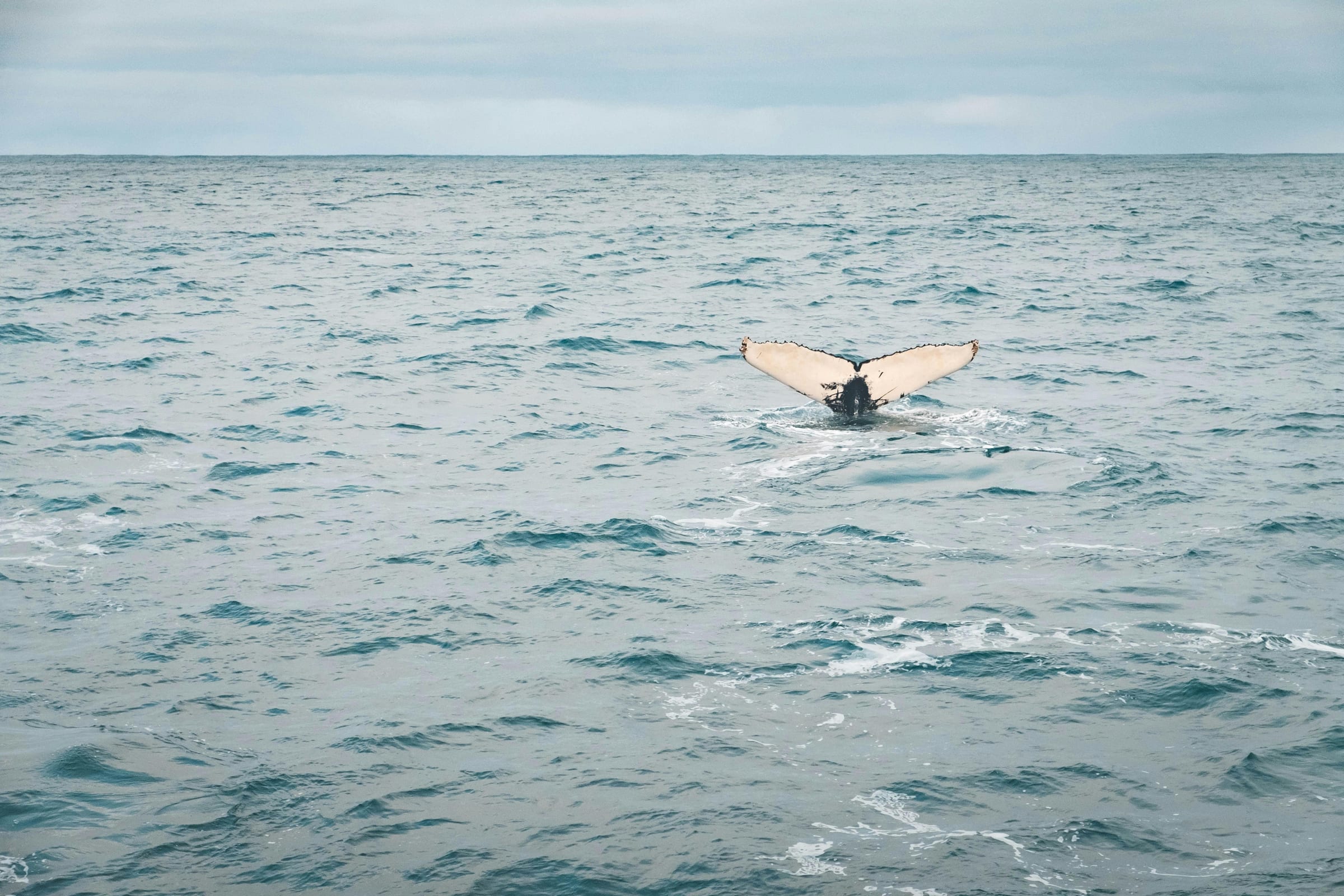
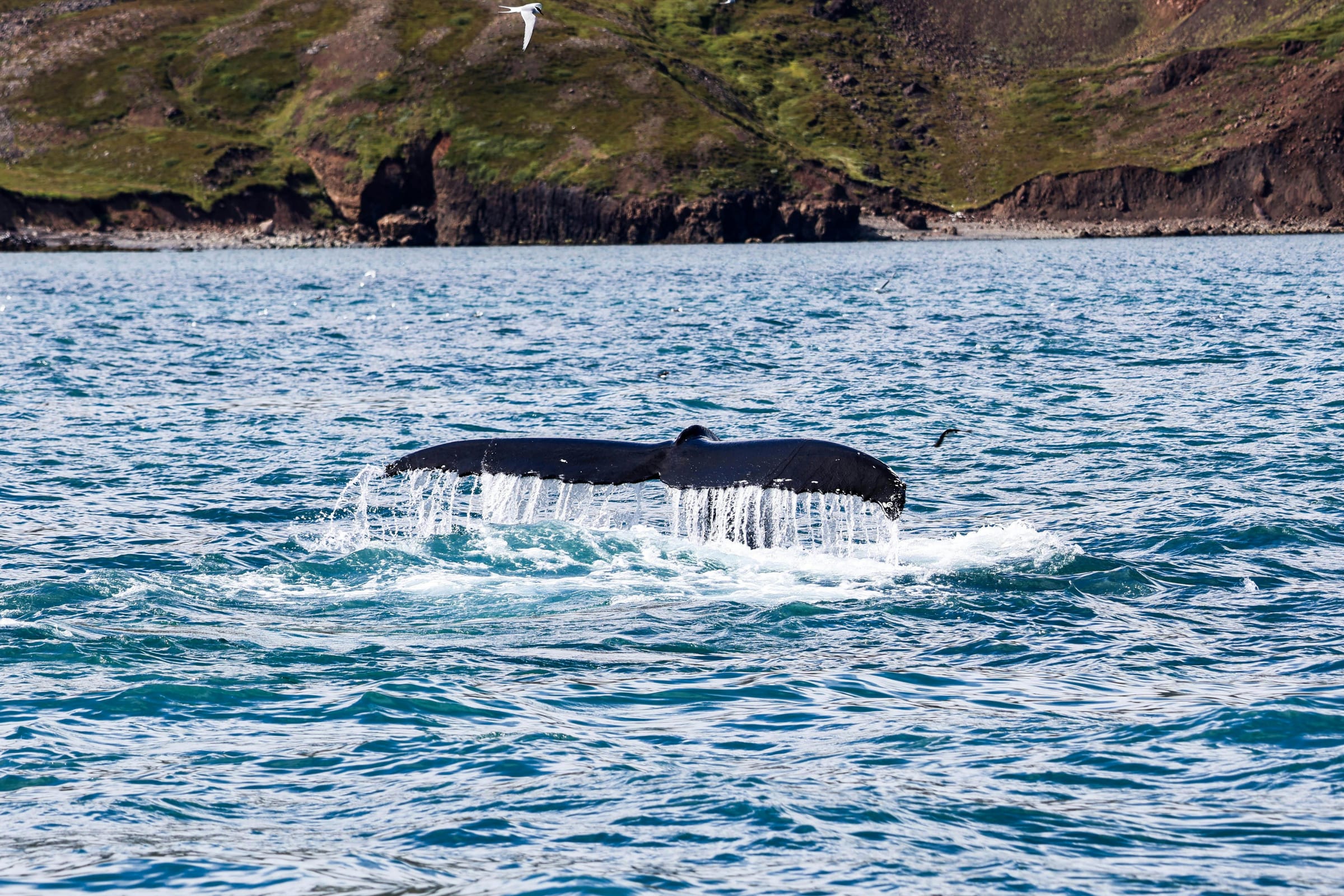
Husavik, on the northeast coast, has built most of its identity around whale watching and is often described as the country’s whale watching capital. That reputation has some basis in reality. The bay at Husavik sits at the edge of Skjalfandi Bay, a sheltered and productive feeding ground that attracts humpback whales with some regularity during the summer months. Humpbacks are the most photogenic of the commonly seen species, and they tend to be more active at the surface than minkes, so sightings here often feel more rewarding to first-time visitors.
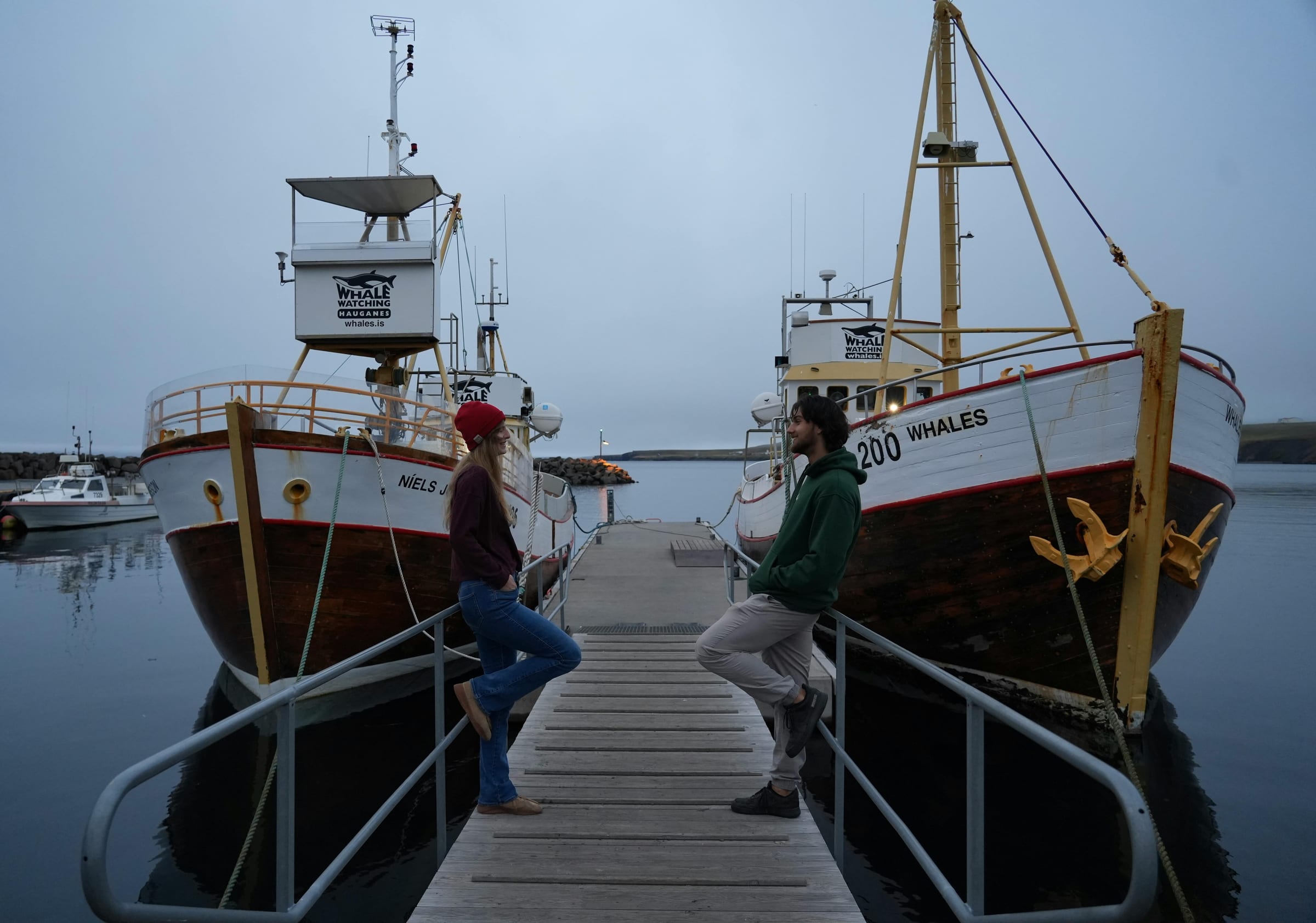
Multiple operators work out of Husavik, offering different vessel types including traditional oak boats, larger rigid inflatable boats, and smaller zodiac-style craft. The choice of vessel affects how close you can maneuver and how exposed you are to cold and spray. Husavik’s weakness is its location. It sits well off the main Ring Road, and getting there requires a dedicated detour north. If you are not planning to spend time in the northeast corner of Iceland anyway, the drive adds meaningful time to your itinerary.
Akureyri
Akureyri is Iceland’s largest town outside the capital and sits at the base of Eyjafjordur, a long fjord on the north coast. Whale watching tours from Akureyri take longer to reach open feeding grounds because the fjord creates a significant stretch of sheltered but less productive water before you reach the sea. Some tours detour to Husavik bay instead, which matters for planning. The upside is that Akureyri is a natural stopping point on any northern Iceland road trip, and fitting in a whale tour does not require the additional drive that Husavik demands.
Species sightings from Akureyri lean toward minke whales and white-beaked dolphins rather than humpbacks, though humpbacks are not unknown. Dolphins are actually quite reliable on some tours, which appeals to travelers with children or those who have already seen large whales elsewhere.
Reykjavik
Tours from the capital run year-round, which is one of their main advantages. Faxafloi Bay, which sits just off Reykjavik, supports a resident population of minke whales along with harbor porpoises and occasional dolphins. Humpback whales do appear, but less reliably than in the north. The convenience of Reykjavik tours is real. If your trip is largely based in the capital and you are not circling the island, a Reykjavik departure removes the need to plan around a specific coastal town.
The tradeoff is that Faxafloi is a busy bay with commercial shipping, fishing, and significant boat traffic. Sighting rates are generally lower than Husavik in peak summer. Tours from Reykjavik are worth doing in spring or shoulder seasons when the north is harder to reach, or when time simply does not allow for a northern detour.
Olafsvik and Grundarfjordur
The Snaefellsnes Peninsula in the west has a smaller whale watching scene, but it is worth noting for travelers already exploring the peninsula. The waters around Snaefellsnes attract orcas more frequently than other areas, particularly in winter and spring when herring schools are present. If orca sightings are a priority rather than humpbacks or minkes, the west coast deserves attention. Orca tours are more specialist and less consistently available, so research current operators before building a trip around this.
Seasonal Timing and What to Expect
The main whale watching season in Iceland runs roughly from April through October, with June, July, and August being the peak months. During this period, the feeding grounds in the north are at their most productive, daylight is almost continuous, and the sea is at its calmest.
Humpback whales are most likely to be seen between May and September in northern waters. Minke whales are present through much of the summer and into autumn. White-beaked dolphins appear reliably in summer across several departure points. Blue whales, the largest animals on earth, are occasionally spotted off the west coast and near the Westfjords, though these sightings are uncommon enough that you should not plan around them.
Winter whale watching is possible but different. The ocean is rougher, tours are less frequent, and some operators in smaller towns shut down entirely outside peak season. The exception, again, is the orca activity in the west, which peaks when herring are present in winter months. Reykjavik keeps tours running across the year, though conditions are significantly harsher from November through March.
What to Prioritize and What to Cut
If you are short on time and trying to decide whether whale watching fits into your itinerary, consider this framework.
- If you are already spending time in the north of Iceland, Husavik is almost always worth the detour from Akureyri. The additional drive is modest and the bay produces strong results in summer.
- If your trip is based in Reykjavik and you have one free morning or afternoon, a Reykjavik tour is a reasonable choice without expecting the same level of sighting frequency as the north.
- If you are visiting in winter and orca sightings are a genuine priority, prioritize the Snaefellsnes area or Westfjords, but confirm current operator availability before committing to a route around this.
- Skip whale watching tours if you are traveling in Iceland for fewer than five days and have other key experiences competing for time. The tours typically run two to three hours on the water, and when you factor in travel to and from the harbor and time before departure, a half-day disappears quickly.
Practical Planning Tips
A few things first-time visitors consistently underestimate or overlook.
Sea sickness affects people on these tours more than they expect. The boats move constantly, and even calm-looking North Atlantic water creates a persistent swell. Bring medication if you have any tendency toward nausea, and take it before boarding rather than after.
Dress for temperatures two to three degrees colder than what you experienced on land. Most operators provide overalls or windproof gear, but layering underneath matters. Even in July, two hours on the water in Iceland is cold.
Booking in advance is practical during peak summer months, particularly in Husavik where demand outpaces supply on busy July days. Shoulder season travelers in May or September generally have more flexibility.
Check operator reviews for the specific vessel type before booking. Smaller inflatable boats get closer and feel more immediate, but they are significantly rougher in choppy water. Traditional wooden vessels are slower but more stable, which matters a great deal if you are prone to seasickness or traveling with older adults or young children.
Finally, understand that no sighting is guaranteed regardless of where you depart from or when you visit. The operators who are honest about this upfront tend to be the ones worth trusting.