A Breed Unlike Any Other
The Icelandic horse is one of the most carefully preserved livestock breeds in the world. Brought to Iceland by Norse settlers over a thousand years ago, the breed has developed in near-total isolation since the Althing banned the importation of foreign horses in 982 AD. That isolation produced an animal that is compact, hardy, and deeply adapted to the Icelandic landscape. Once an Icelandic horse leaves the country, it is never permitted to return, and no other horses may be imported. This single rule has kept the gene pool pure for more than forty generations, and it shapes everything about how Icelanders breed, train, and think about their horses.
For visitors, the Icelandic horse is often a highlight that competes with geysers and glaciers on the itinerary. But it rewards a more thoughtful approach than most tourist activities. Understanding what makes the breed distinct, and knowing what to realistically expect from a riding experience, will help you get far more out of your time with these animals.
What Makes the Breed Distinct
Size and temperament
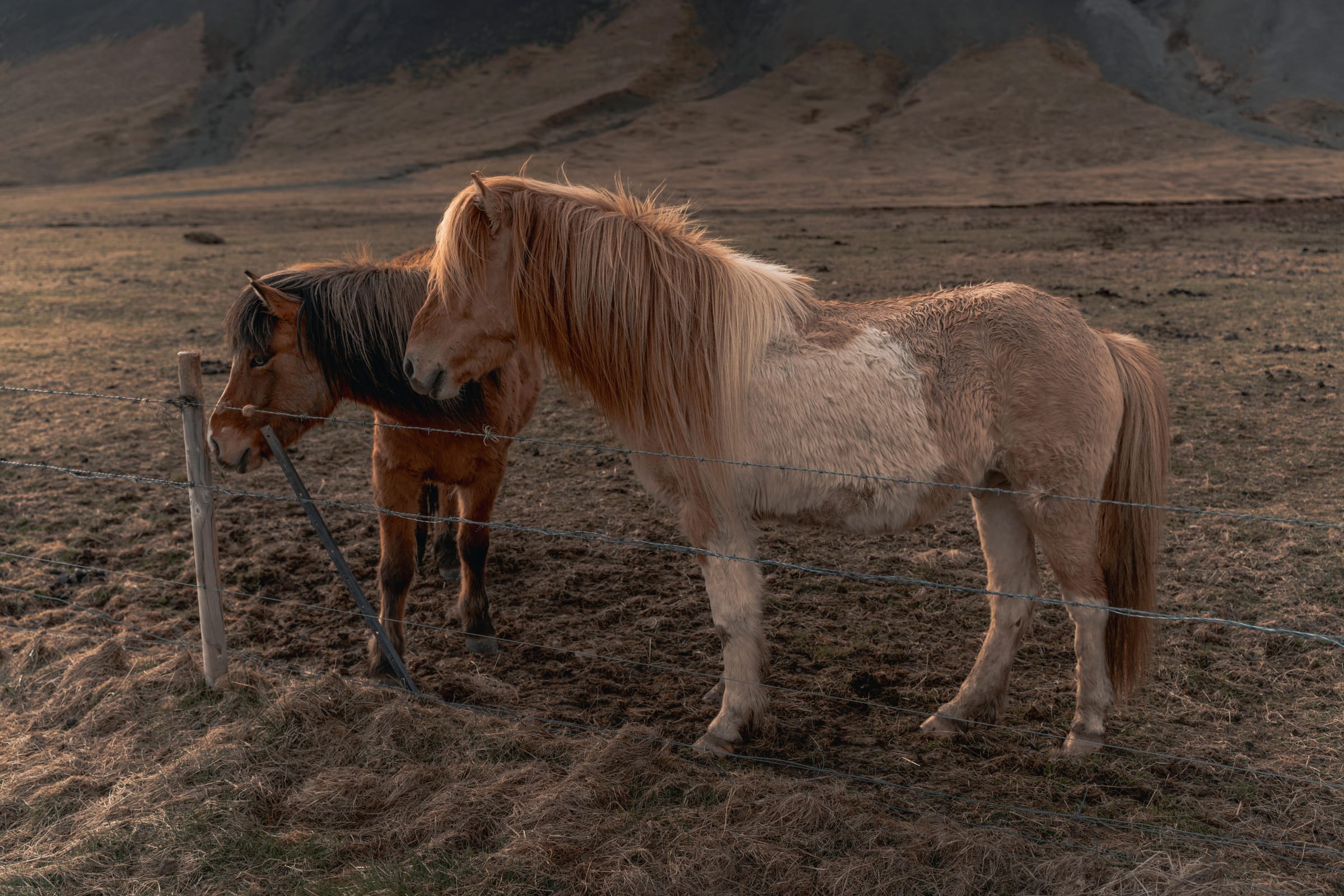
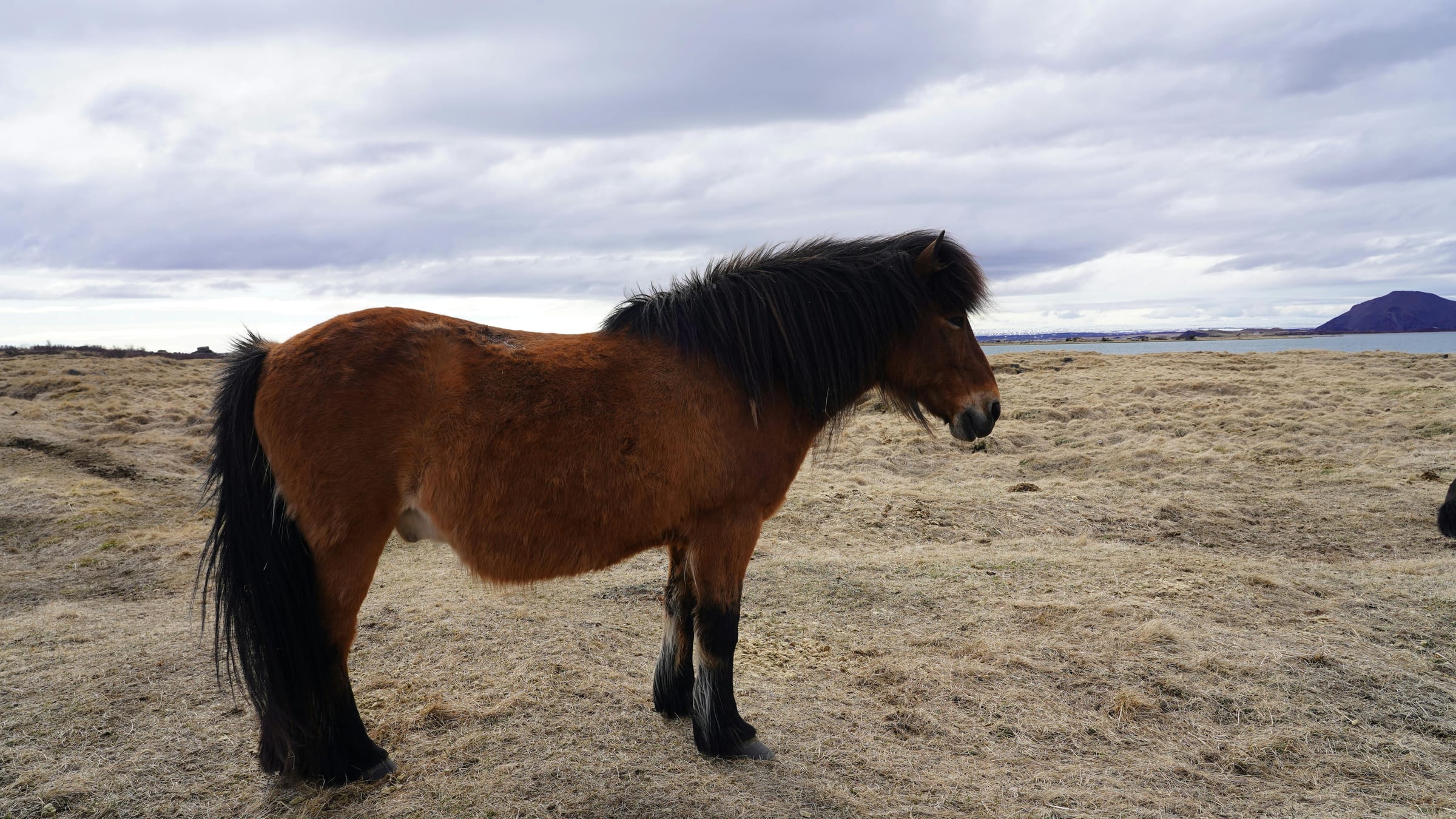
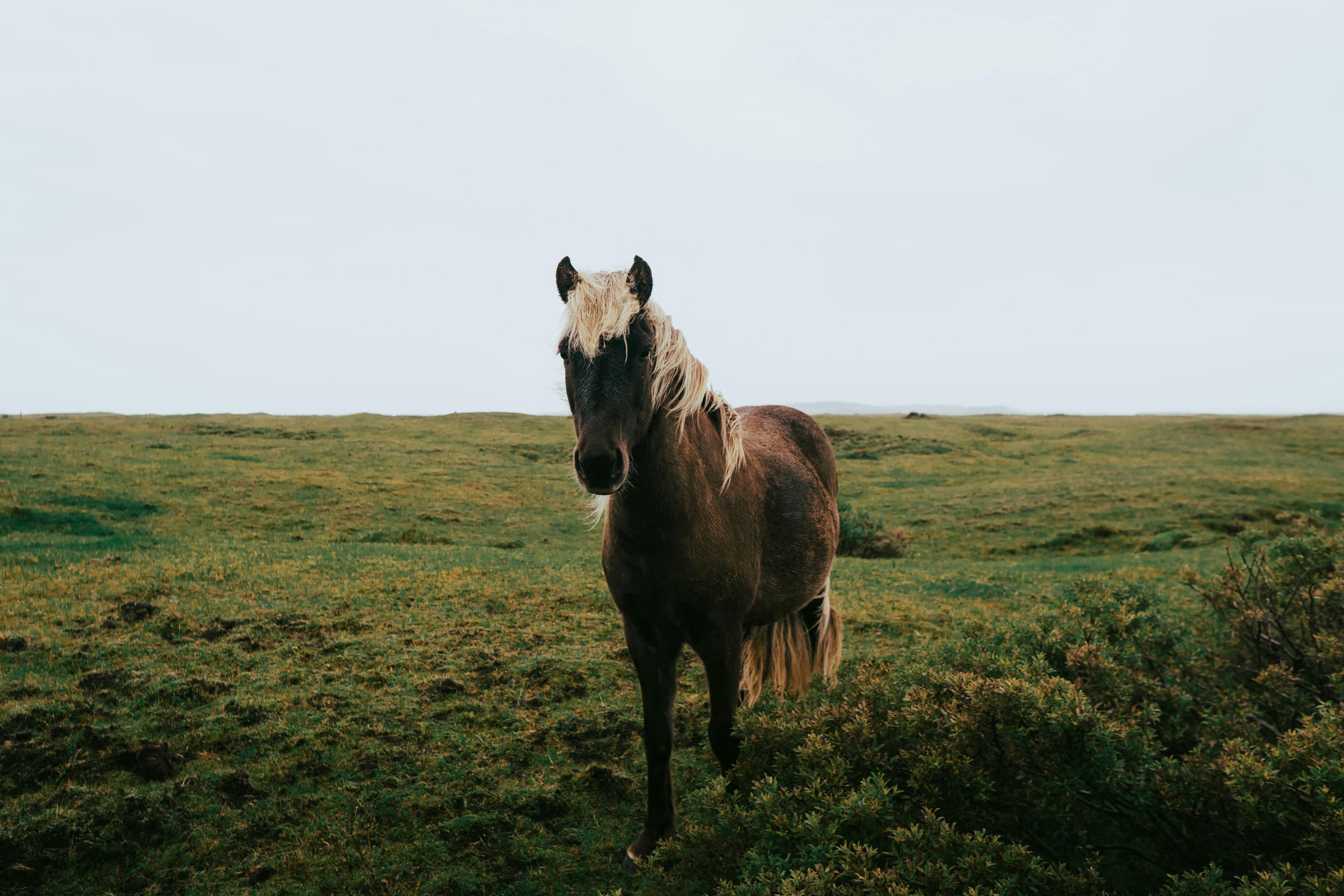
The Icelandic horse is small, typically standing between 13 and 14 hands, which places it in the pony category by international standards. Icelanders do not call it a pony, and that distinction matters culturally. Despite its size, the breed carries adult riders comfortably and has a reputation for sure-footedness on uneven ground, lava fields, riverbanks, and steep hillsides.
Temperament tends toward the social and curious rather than the nervous and reactive. Horses here are often kept in large herds for much of the year, which produces animals that are generally confident around people. That said, individual horses vary, and a good stable will match riders to animals by experience level rather than just by weight.
The gaits, especially the tolt
Most horse breeds move in three basic gaits: walk, trot, and canter. The Icelandic horse has five. The tolt is the gait that most visitors have read about before arriving, and it deserves the attention. It is a four-beat lateral gait, meaning the horse’s feet move in the same sequence as a walk but at much higher speed. For the rider, the effect is a remarkably smooth ride with almost no vertical bounce. Where a trot jostles, the tolt glides.
The fifth gait is the flying pace, a two-beat lateral gait used over short distances, typically in racing contexts. Not all Icelandic horses have a strong pace, but virtually all have the tolt to some degree. Horses with particularly clean and balanced gaits are highly valued in competition circles, and Iceland hosts regular horse shows where gait quality is the central criterion.
If you have any experience on horses, even modest experience, you will notice the tolt immediately. First-time riders sometimes take a few minutes to find their balance within it, but most people settle in quickly and find it far more comfortable than a trot.
Who Should Consider a Riding Experience
Horseback riding in Iceland is genuinely accessible to beginners. Many farms offer short introductory rides of one to two hours that stay on flat or gently rolling terrain. These are appropriate for people who have never ridden before, and guides at reputable stables are used to working with mixed-ability groups.
Longer rides, multi-hour excursions, or multi-day trips require more from participants. If you plan to spend several hours in the saddle, some prior riding experience will make the difference between enjoyment and discomfort. Your core and inner thighs take more work than you might expect, and being unfamiliar with posting or sitting a canter will limit which programs you can join.
Multi-day horse tours do exist in Iceland, particularly in the interior highlands during summer months. These trips follow old herding routes and involve camping or staying at remote farms. They are for riders with solid experience who want an immersive, physically demanding journey. They are not the right introduction to the breed.
Where to Find Riding Experiences
Riding farms and tour operators are spread across the country, but the highest concentration near international visitors sits within an hour of Reykjavik. The Hvalfjordur area, the Kjalarnes peninsula, and the stretch of land south of the capital toward Selfoss all have farms offering guided rides.
The south coast, particularly around Hella and Hvolsvollur, combines well with other popular sites on that route. The Snaefellsnes Peninsula has a smaller number of operators but suits visitors who are spending time on the west side of the country. In the north, the Skagafjordur valley is considered the heartland of Icelandic horse culture, where breeding and competition traditions run especially deep.
You do not need to seek out the most famous region to have a meaningful experience. A well-run farm close to your existing route will serve you better than a long detour to a celebrated location.
Seasonal and Daylight Tradeoffs
Summer, from roughly late May through August, is the peak season for riding. Days are long, roads are accessible, and many farms run multiple daily departures. The annual horse roundup, called the rettir, happens in late September and into October. It is one of the more visceral expressions of horse culture in Iceland, involving the movement of large herds down from highland summer grazing. Some farms and communities welcome observers, and witnessing it gives a very different context for the horse than a guided leisure ride.
Winter riding is available, particularly in the southwest where temperatures remain relatively mild. Riding through snow-covered lava fields on a sure-footed Icelandic horse is a genuinely different experience from a summer ride, and some visitors specifically seek it out. Daylight is limited between November and February, so early afternoon rides make the most sense. Check conditions with operators directly, as some programs shift seasonally.
Spring can be unpredictable, with variable weather and some farms limiting availability until the ground firms up. Early June tends to be when most operations reach full capacity.
Practical Tips Before Booking
A few things will improve your experience significantly:
- Wear long trousers and close-toed shoes with a small heel. Most farms can provide helmets, but having your own is worth considering if you plan multiple rides across a longer trip.
- Book in advance during June, July, and August. Popular farms near Reykjavik fill up, especially for weekend morning departures.
- Be honest about your riding experience when booking. Operators who ask about your background are doing you a favor, not gatekeeping.
- If motion sickness is a concern, the tolt’s smoothness generally helps, but mention it to your guide anyway.
- Photography is easier on foot or from the saddle during a stop than while actively riding. Ask your guide when the best photo moments will be.
Some tours are marketed primarily as scenic experiences where the horse is the vehicle. Others are explicitly about the breed, its gaits, and its culture. If you want to understand the animal rather than just travel on it, look for farms that describe the breed’s history and characteristics as part of the experience, rather than framing the ride purely as a landscape tour.
The Broader Cultural Weight
The Icelandic horse is not simply a tourist attraction. It is central to rural identity in a way that has persisted well beyond the mechanization of farming. Breeding competitions, gait assessments, and regional shows draw serious participation from farming families across the country. The vocabulary around horse quality, the vocabulary around gait evaluation, the community around competition, these form a parallel culture that exists largely outside the tourist experience.
A short riding tour will not immerse you in that culture deeply, but it can open a door to it. Talking to farm owners, asking about their breeding choices, or attending a local show if the timing aligns will give you a different and more grounded appreciation of why this particular breed commands the affection it does in a country that has every reason to have replaced it with machines long ago.