The Core Question Before You Book
The choice between winter and summer in Iceland is not simply about temperature or scenery. It determines the structure of your entire trip. Winter gives you the possibility of northern lights and a spare, dramatic landscape, but short daylight windows and road closures shape everything from driving routes to which attractions are even reachable. Summer gives you nearly unlimited daylight and full access to the highland interior, but the sky never gets dark enough for aurora. These are fundamentally different travel experiences, and the right one depends on what you actually want to do, not which sounds more appealing in theory.
Most visitors underestimate how much the daylight situation governs their days. In June, you can drive at 11pm with clear visibility. In December, you may have four hours of usable light before dusk returns. Neither is better. They are just different constraints that require different planning strategies.
Who Each Season Suits
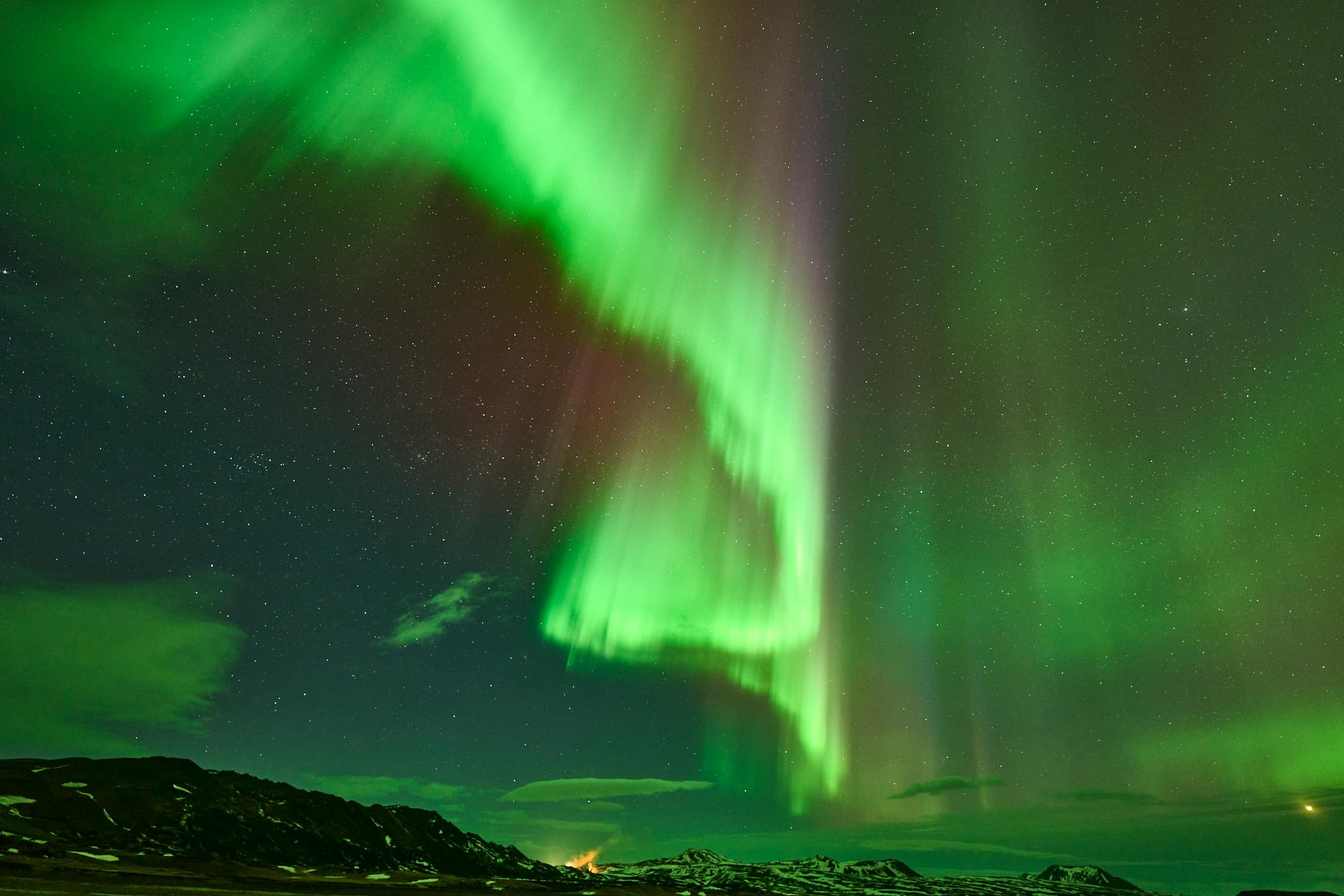
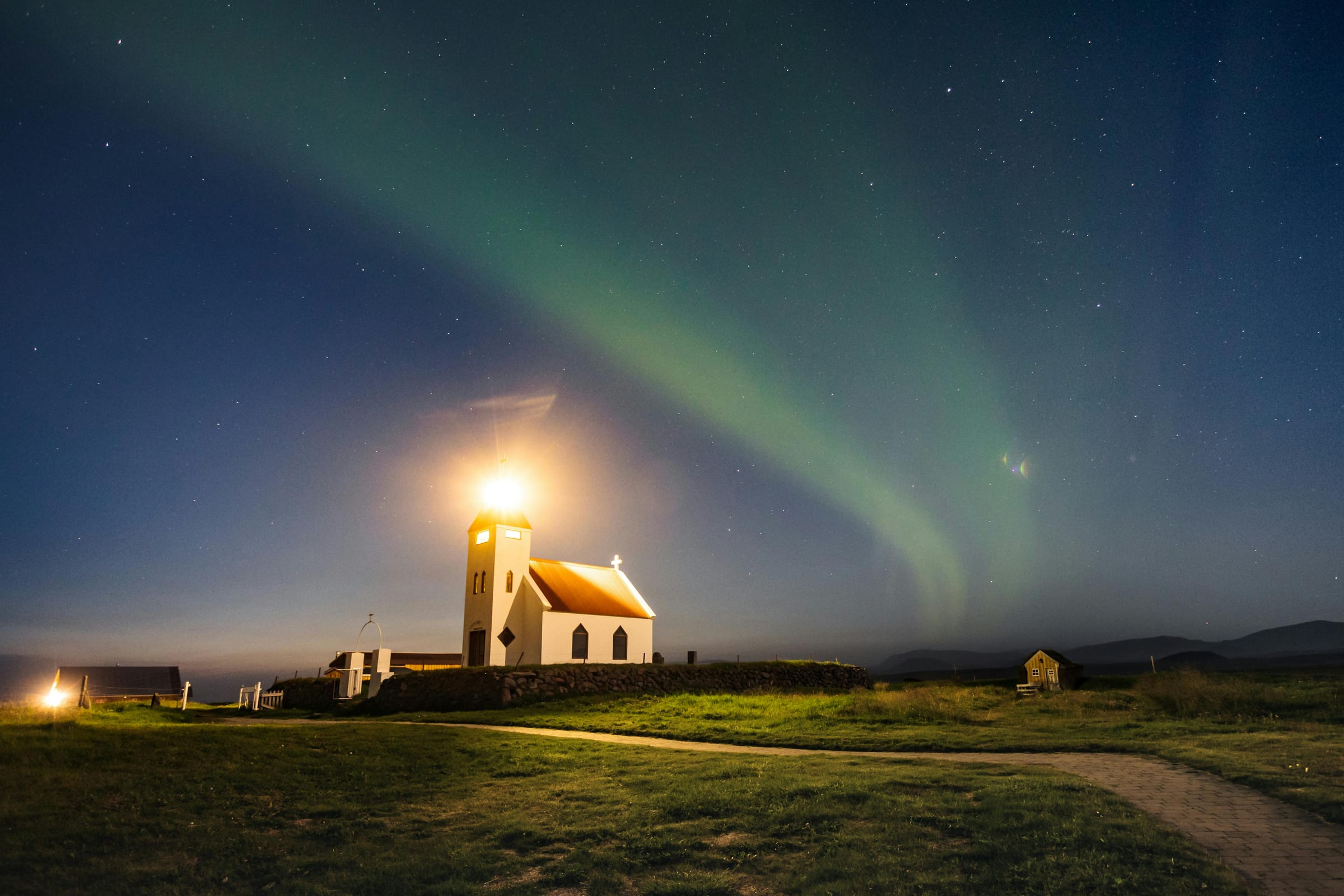
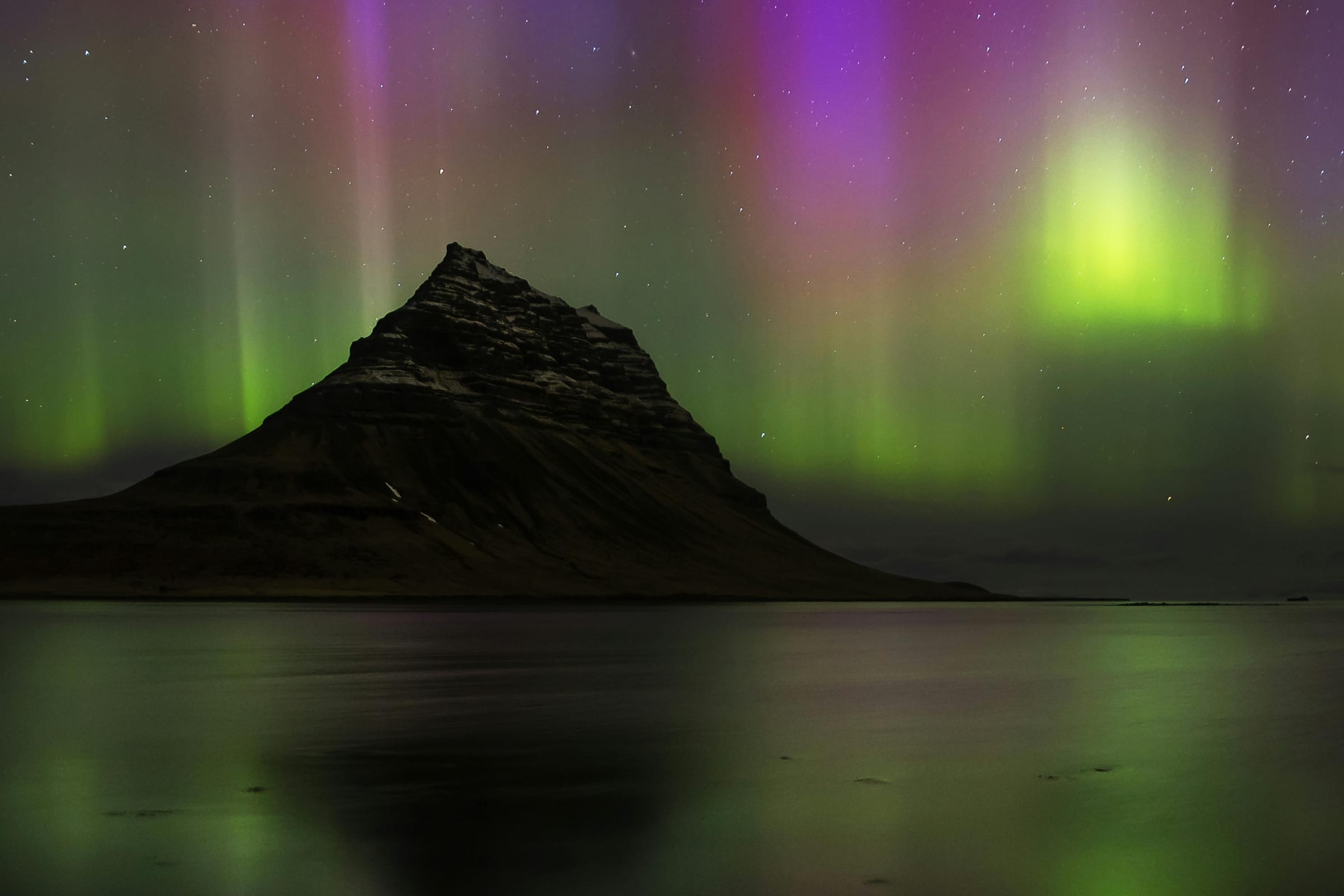
Winter travel, roughly November through February, suits people who are specifically drawn to aurora hunting, who prefer quieter roads and smaller crowds, and who are comfortable with uncertainty. The northern lights require darkness, clear skies, and solar activity. You can influence the first two by choosing the right location and watching forecasts, but you cannot control the third. Visitors who need guaranteed payoffs often find winter frustrating. Those who enjoy the process of watching forecasts, adapting plans, and treating an aurora sighting as a earned reward tend to find it deeply satisfying.
Summer travel, roughly May through August, suits people who want to cover more ground, hike the highlands, visit the Westfjords, or simply not worry about road conditions closing routes unexpectedly. Families with children often find the long days easier to work with. Photographers focused on landscapes rather than aurora find the extended golden hour in June genuinely useful for certain kinds of light. Summer also allows access to the Laugavegur trail, Landmannalaugar, and the F-roads into the interior, which are either impassable or dangerous in winter for most rental vehicles.
The shoulder seasons, particularly late September through October and March through April, offer a genuine middle path. In late September and October, darkness returns but highland roads are often still passable, and the autumn colors on the moorland are underappreciated. March and April bring lengthening days, reduced competition for accommodation, and aurora windows that still exist but are less reliable as nights shorten.
What Each Season Actually Delivers
Winter: What You Gain and What You Lose
The northern lights are the primary draw, and they require patience. A useful rule: plan at least five to seven nights to improve your statistical chances of one clear aurora night. Three-night trips to Iceland in January are common, but catching the lights in that window is genuinely unreliable. The forecast apps, including the Icelandic Met Office’s aurora forecast, help enormously, but clear skies in Iceland during winter are not guaranteed.
Beyond the lights, winter offers a few specific advantages. The ice caves inside Vatnajokull glacier are only safely accessible between roughly November and March, when temperatures keep the ice stable. These are legitimate highlights that do not exist as a summer option. Reykjavik’s cultural scene is more active in winter, with festivals and indoor events filling the calendar.
What you lose is mobility. The South Coast is generally driveable year-round, but roads north of Akureyri, through the Westfjords, or into the interior are often closed or require four-wheel drive with winter tires. Many waterfalls, viewpoints, and highland areas are simply off the table. The Ring Road is mostly passable with appropriate tires, but even it closes temporarily in storm conditions. You will spend more time waiting, checking forecasts, and adjusting plans.
Summer: What You Gain and What You Lose
The midnight sun is not a single event. It is a quality of light that persists for weeks. In June, the sun sets briefly if at all, and the sky holds a low amber light through the middle of the night that changes how the landscape feels. This is not just novelty. It means you can hike until 10pm, photograph without a headlamp, and structure your days around energy rather than light.
The full road network opens in summer. F-roads, which are the highland interior tracks requiring four-wheel drive, typically become accessible between June and September, though the exact dates vary by year and conditions. This unlocks the Kjolur route, the Sprengisandur route, and access to areas like Askja and Holuhraun that are otherwise unreachable for most travelers.
The tradeoff is crowds and cost. July is the busiest month. Accommodation at the popular South Coast stops like Vik and Kirkjubaejarklaustur books up months in advance. Prices across the board are higher. The Golden Circle and South Coast waterfalls can feel congested mid-morning in peak summer. This does not ruin the experience, but it changes the texture of it significantly.
Seasonal Driving Realities
Iceland’s driving conditions deserve honest attention before anyone commits to a season.
In winter, studded tires or dedicated winter tires are required by law during certain periods. Many rental companies include these, but verify before booking. The Safetravel website and road.is are the reliable sources for checking which roads are open or at risk. Weather can shift quickly, and a road that was passable at noon may be closed by 3pm. Building buffer days into a winter itinerary is not optional planning caution but a functional necessity.
In summer, the main risk is overconfidence. Roads are accessible, skies are often clear, and drivers underestimate distances. Iceland’s distances between points on a map can look manageable while involving single-lane bridges, unpaved sections, and slower speeds than expected. A day that looks like a short drive on paper can stretch to seven or eight hours once stops are included.
F-roads require specific vehicles. Crossing glacial rivers, which appear on some highland routes, requires local knowledge and the right vehicle. Rental agreements explicitly prohibit most standard vehicles on F-roads, and damage incurred off permitted roads is typically not covered by insurance.
Practical Planning Before You Book
A few questions worth answering honestly before committing to dates:
- How much uncertainty can you tolerate? Aurora is not guaranteed. If you will feel cheated by a trip where clouds blocked every clear night, winter requires managing expectations carefully.
- What activities are non-negotiable? Glacier ice caves require winter. Highland hiking, F-road access, and the Laugavegur trail require summer. Many coastal and South Coast activities are available year-round.
- How long can you stay? Short trips in winter carry more risk of missing the lights entirely. Longer trips in summer allow coverage of more regions without rushing.
- What is your budget flexibility? Summer peak season commands higher prices. Winter, particularly November and January outside of holiday windows, offers more competitive rates on accommodation and flights.
On accommodation, booking early applies to both seasons but for different reasons. Summer fills due to sheer volume of visitors. Winter fills because the pool of open guesthouses and hotels is smaller, as some rural properties close entirely between October and April.
For the northern lights specifically, staying outside Reykjavik matters. Light pollution from the city reduces visibility significantly. Even driving 45 minutes south or east on a clear night improves conditions noticeably. Many winter visitors stay along the South Coast or near Selfoss partly for this reason.
For the midnight sun, the effect is strongest in June and early July. By late July and August, nights begin returning, and the phenomenon is less pronounced even though days remain very long by most countries’ standards.
The honest summary is that neither season is superior. Winter rewards patience and delivers experiences that do not exist in summer. Summer rewards planning and delivers access that winter cannot match. The clearest planning mistake is choosing based on which sounds more dramatic, rather than which aligns with how you actually travel.