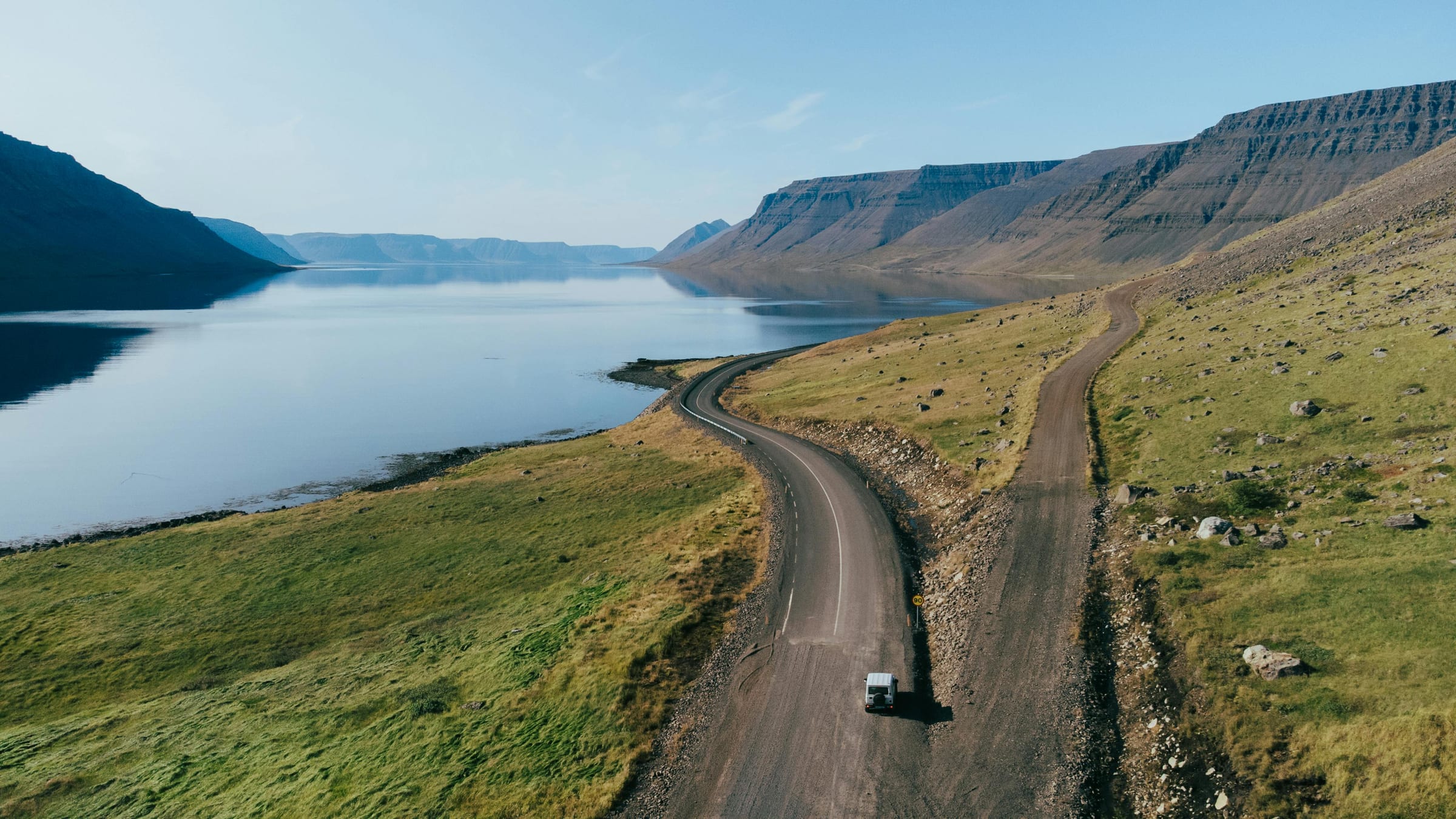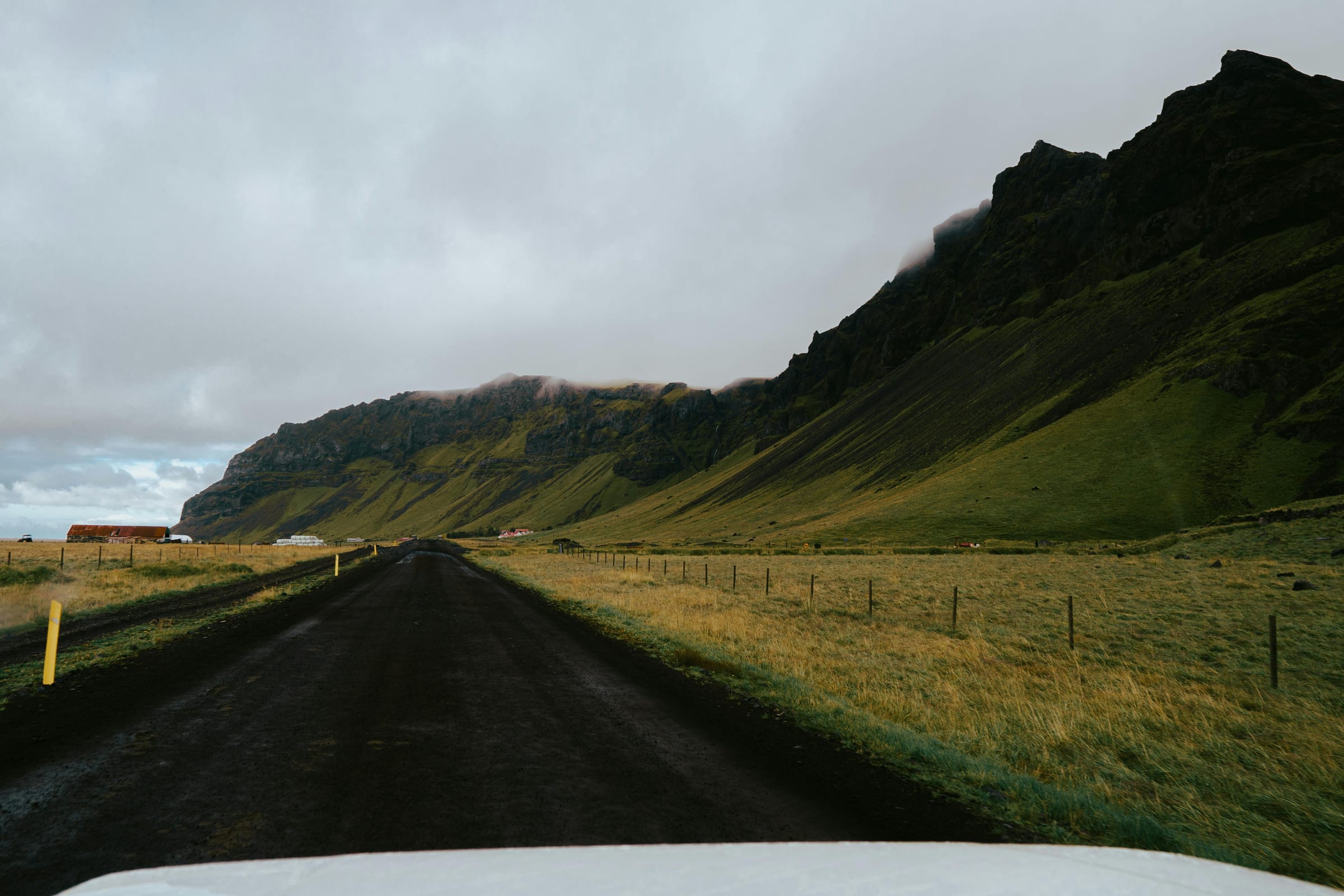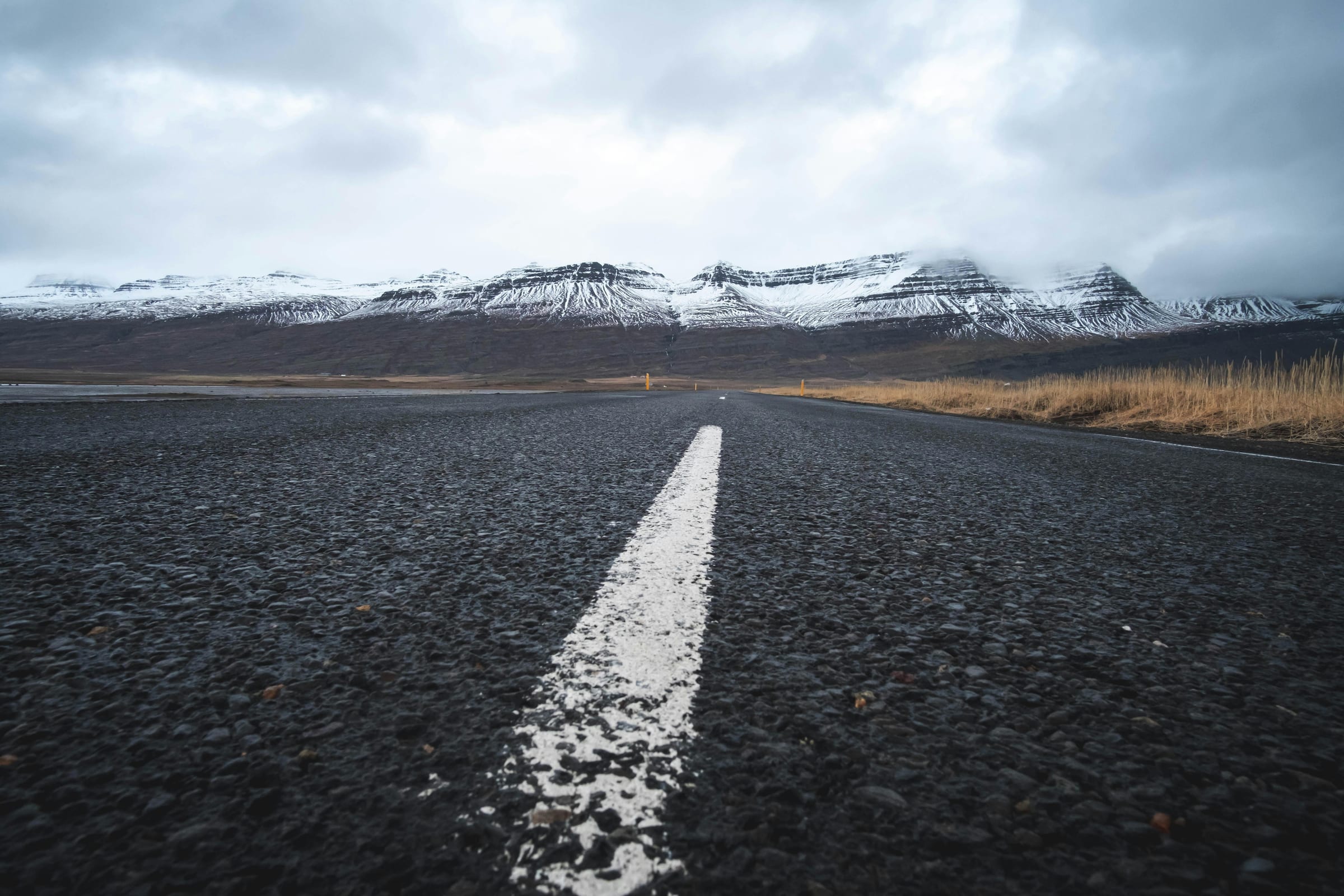
Planning a trip to Iceland means working with a fixed window of time against a country that rewards slowness. The gap between a three-day visit and a ten-day one is not just a matter of seeing more places. It changes what kind of trip you can actually have. This guide breaks down four realistic trip lengths, explains what each one can and cannot deliver, and helps you decide which one fits your situation before you book anything.
The 3-Day Iceland Trip
Who this length suits
Three days works best for travelers connecting through Reykjavik on a longer journey, people with very limited annual leave, or first-timers who want to test whether Iceland appeals to them before committing to a longer return visit. It is also a reasonable length if you are primarily interested in the city and one or two specific experiences rather than covering ground.
What you can realistically do
With three days, keep your base in or very close to Reykjavik. The classic move is to spend one full day on the Golden Circle, one day on the Reykjanes Peninsula or the South Coast as far as Seljalandsfoss, and one day in and around the city itself. That structure is popular because it is achievable without rush driving.
The Golden Circle covers Thingvellir National Park, the Geysir geothermal area, and Gullfoss waterfall. It is a loop you can complete in a long day, and the roads are paved and reliable year-round. The South Coast route toward Seljalandsfoss and Skogafoss is similarly accessible, though driving time adds up faster than people expect, especially in winter when daylight is short.
What to skip and why
Do not attempt to reach Jokulsarlon glacier lagoon on a three-day trip. The round trip from Reykjavik is roughly ten hours of driving alone. You will spend the day in a car and arrive exhausted. The same applies to the Westfjords or the Highlands. Those destinations require either a dedicated multi-day loop or a base nearby to make sense.
The 5-Day Iceland Trip
Who this length suits
Five days is the most common trip length for Europeans visiting on a long weekend plus a few days of leave. It gives you enough time to extend meaningfully along the South Coast while still using Reykjavik as your anchor, or to start moving around a partial ring road loop.
Route structure
A practical five-day structure separates roughly into two phases. The first two days cover the Golden Circle and South Coast in more depth than a three-day trip allows. You can reach the black sand beaches at Reynisfjara and the village of Vik on day two without feeling rushed.
Days three and four are where the trip can differentiate itself. With five days, pushing east to Jokulsarlon becomes viable if you drive it as a two-day movement, stopping somewhere near Kirkjubaejarklaustur or Vik the night before so you are not driving the full distance in one stretch. Day five then functions as a return day with flexibility for anything you missed.
An alternative for five days is to skip the glacier lagoon entirely and instead build one day into the Snaefellsnes Peninsula, which sits northwest of Reykjavik. This gives you a very different landscape, including the Snaefellsjokull glacier and the west coast fishing town feel, without the same driving pressure. The choice between east and west as your extension comes down to personal interest.
What to skip
The Westfjords require more time than five days can properly support. You could technically reach the southern edge of the Westfjords from Reykjavik, but you would sacrifice most of what makes them worth going to. Similarly, northern Iceland, including Akureyri, Godafoss, and Lake Myvatn, involves either a long drive over the interior or a flight. Neither fits comfortably into five days without compromising the rest of the trip.
The 7-Day Iceland Trip
Who this length suits
Seven days is where Iceland starts to open up properly. You have enough time to complete most of the ring road highlights, or to do a focused regional trip with real depth. This is a good length for travelers who want variety in landscape without feeling like they are sprinting between viewpoints.
Route options
The most common seven-day shape is a partial ring road trip covering the South Coast, East Fjords, and the north as far as Myvatn or Akureyri, then returning via a different inland route or the north coast. This is ambitious but doable if you are comfortable with long driving days and keep overnight stops well-placed.
A more relaxed approach divides the week into three geographic zones. For example: two days in and around Reykjavik and the Golden Circle, two days along the South Coast as far east as Jokulsarlon, and two days on Snaefellsnes, with one day as buffer for weather delays or pace adjustment.
Seven days also allows for one or two multi-hour activities that three or five-day trips often have to skip, such as glacier hiking, a whale watching tour out of Husavik if you reach the north, or a longer highland detour if roads are open.
Pacing note
The trap with seven days is overloading the itinerary. Many people plan seven days as if they have ten, then spend the entire trip feeling behind. Build one buffer day into the schedule, and treat it as real flexibility rather than a placeholder for more stops.
The 10-Day Iceland Trip
Who this length suits
Ten days allows you to complete the full ring road at a reasonable pace, add one or two major detours, and still have time to slow down in places you find interesting. This is the length that suits travelers who want to move through Iceland rather than sample it.
Ring road logistics
The ring road is roughly 1,300 kilometers. Driving it in ten days means averaging 130 kilometers of progress per day, which sounds modest but factors in stopping time, slower secondary roads, and the fact that many of the best areas along the route are accessed via unpaved side roads that require care.
A clockwise direction from Reykjavik is the conventional approach. It moves you along the South Coast while daylight and energy are highest, then brings you into the quieter East Fjords and the dramatic northern stretches around Myvatn and the Trollaskagi Peninsula. The west coast return leg brings you through the Snaefellsnes area if you time it right.
With ten days, one realistic addition is a loop into the Westfjords, which requires branching off the ring road in the northwest and spending two to three dedicated days. The Westfjords reward visitors who go deliberately. The roads are slower, the infrastructure is thinner, and the landscape is more remote in character than most of the ring road corridor.
What to manage carefully
Ten days creates a false sense that you can do everything. The Highlands, accessed via routes like the Kjolur or Landmannalaugar tracks, add another layer of planning that sits outside the ring road logic. Highland routes are typically only accessible in summer, require vehicles with appropriate clearance, and should be researched carefully before being added to any itinerary without confirmation of current conditions.
Seasonal and Driving Tradeoffs Across All Lengths
Winter trips, roughly November through February, compress your options regardless of how many days you have. Daylight may be limited to five or six hours, some highland and mountain roads close entirely, and weather can shut down driving for a day at a time. A three-day winter trip carries real risk of losing a full day to conditions. A ten-day winter trip has more room to absorb that.
Summer trips, particularly June and July, extend usable daylight dramatically and open roads that are impassable in winter. They also bring more visitors and higher accommodation prices. Shoulder seasons, April through May and September through October, often offer a reasonable balance of access and fewer crowds.
Practical Steps Before Booking
The most common planning mistake is choosing an itinerary and then building the rest of the trip around it. A better order is:
- Confirm the exact number of days including travel days (flights often consume a full day at each end)
- Decide whether you are driving or relying on tours and buses, since self-driving expands options significantly but requires confidence on unfamiliar roads
- Lock in accommodation before finalizing your route, because popular areas in summer book out months ahead
- Check road and seasonal access for any specific site or region you are set on visiting
- Leave genuine flexibility, not just a list of backup options, but actual unscheduled time built into the itinerary
Iceland scales well to different trip lengths, but each one requires a different mental approach. Shorter trips reward focus and acceptance of limits. Longer trips reward pacing and the willingness to linger rather than chase the next stop.