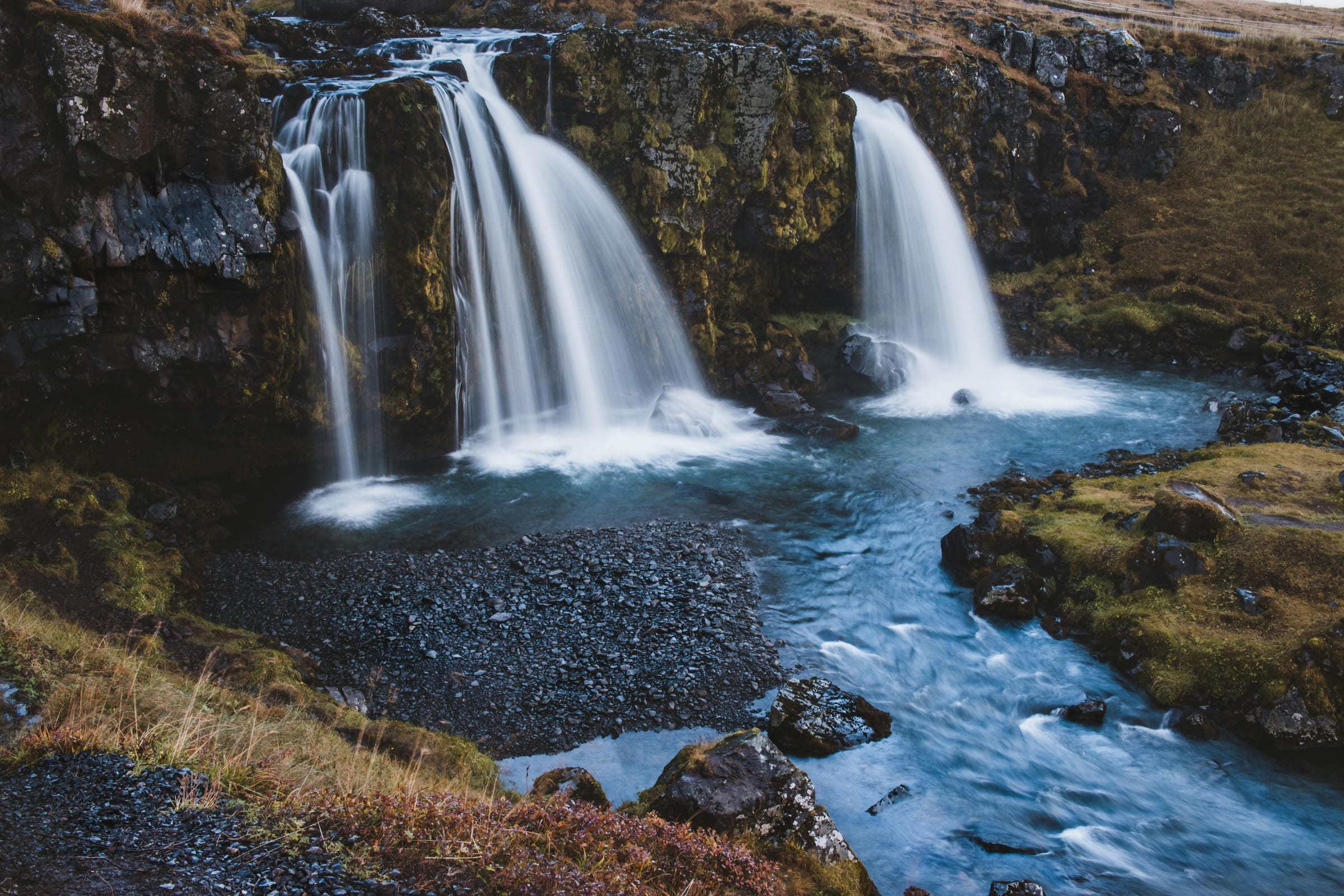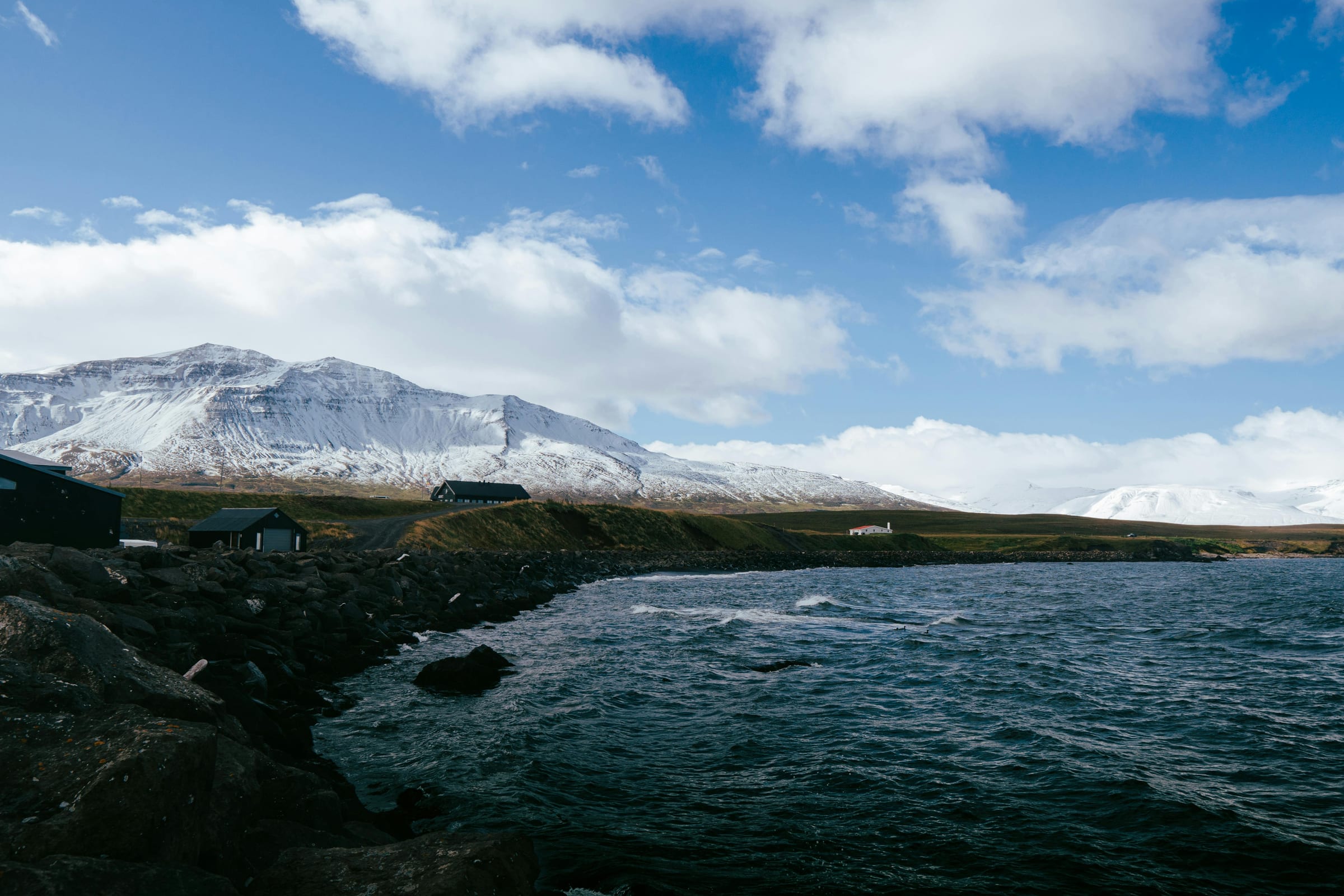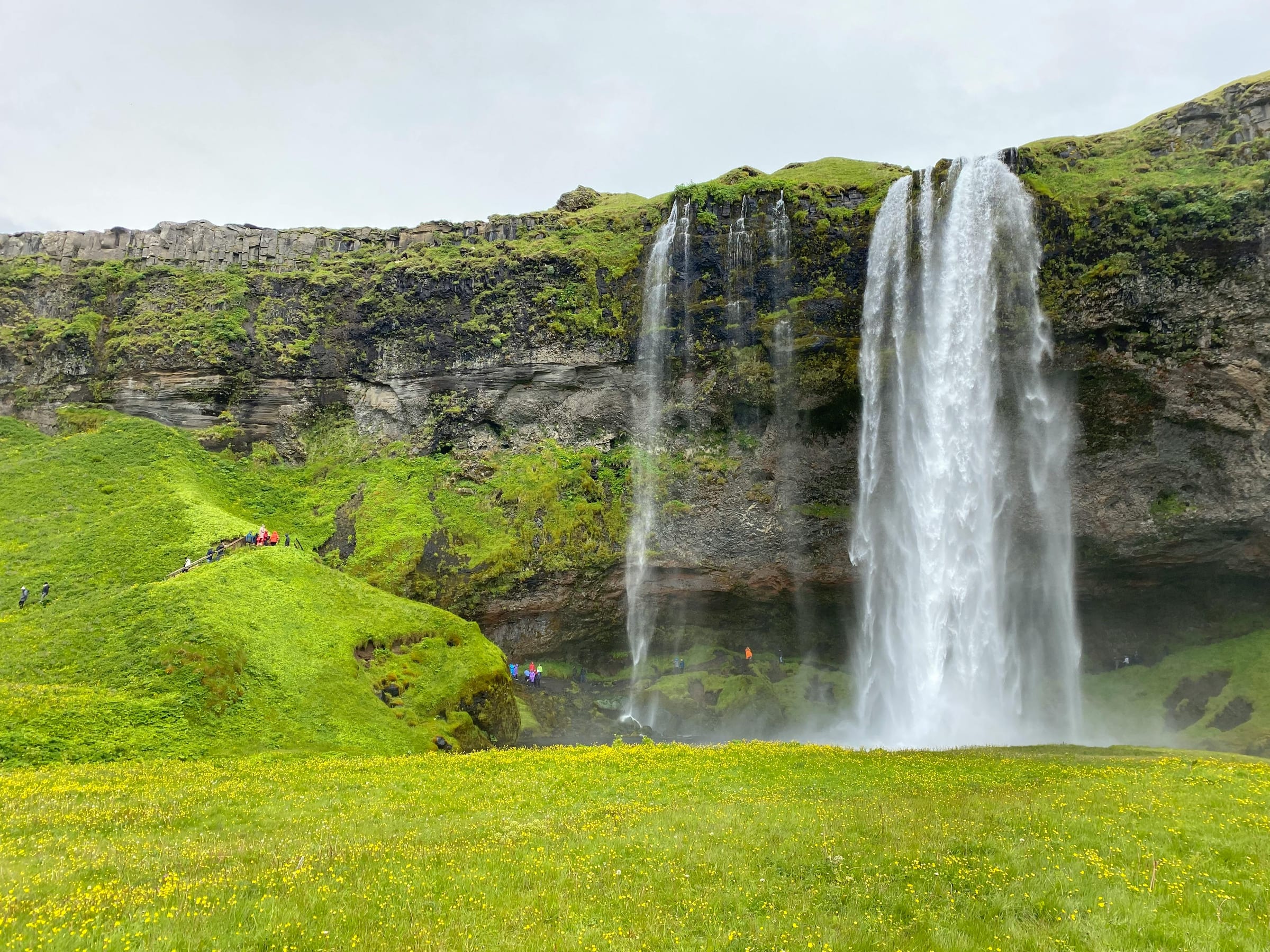
Choosing Your Window: What Iceland Actually Looks Like Each Month
Iceland does not have a single best time to visit. It has tradeoffs, and the right month depends almost entirely on what you want out of the trip. The traveler chasing the northern lights needs darkness, which means visiting outside the summer months. The traveler who wants to drive the Highland roads, hike remote trails, or photograph lupine fields needs summer. Someone who wants lower prices and thinner crowds but can tolerate unpredictable weather might do best in the shoulder months of April, May, or September. Before looking at the calendar, be honest about your priorities, because almost every month gives you something valuable and takes something else away.
Winter Months: November Through February
This is the core northern lights season. The nights are long, sometimes running to eighteen or nineteen hours of darkness at the height of December, and clear skies give you a genuine chance of seeing aurora activity. That said, clear skies in Iceland are never guaranteed. Cloud cover is frequent and can persist for several days, so if you come in winter specifically for the lights, build in at least five or six nights to improve your odds.
What you gain
- Long darkness windows mean aurora hunting is possible from mid-afternoon onward
- Snow-covered landscapes shift the visual character of the country entirely
- Fewer international tourists outside of Christmas and New Year periods
- Opportunities to visit ice caves in Vatnajokull, which are typically only accessible and structurally stable during the colder months
- Lower accommodation prices in January and February compared to peak summer
What you give up
- The Highland Interior roads (F-roads) are closed and inaccessible
- Daylight in December is limited to roughly four to five hours, which compresses your driving and sightseeing window significantly
- Road conditions can turn dangerous quickly; rental cars with four-wheel drive are strongly advisable, and storm closures do happen
- Some waterfalls and viewpoints require longer hikes that become more difficult in icy conditions
December gets heavy tourist traffic around Christmas and New Year, so prices rise and accommodation books up well in advance during those windows. January and February are often the quietest and most affordable weeks of the year, which makes them worth considering if you are flexible.
Spring: March and April
March is still firmly winter in terms of temperatures and road access, but the light is returning noticeably. By late March, you have roughly twelve hours of daylight, and aurora conditions remain possible on clear nights. Conditions are variable: you might get crisp sunny days with snow on the ground, or you might get sleet and low visibility. March is a reasonable compromise month for travelers who want both some aurora potential and more usable daylight than midwinter offers.
April begins to shift the balance toward spring. Snow melts at lower elevations, some F-roads begin to open toward the end of the month (though the most remote Highland routes typically remain closed until June or later), and the landscape transitions through mud and green shoots. Prices are still below summer peaks, and the crowds have not yet arrived in force. For first-time visitors who find the deep darkness of winter unappealing but want to avoid the tourist pressure of July and August, late April is a practical choice.
Late Spring: May
May is one of the more underrated months for visiting Iceland. Daylight is long, often running to seventeen or eighteen hours by the end of the month, which gives you enormous flexibility for driving and sightseeing. The midnight sun has not fully arrived, so you still get genuine twilight and more photogenic low-angle light than you do in the brightness of midsummer. Temperatures remain cool but hiking conditions at lower elevations are generally reasonable. Some highland routes begin to open in late May depending on snowmelt, though you should verify current road status before planning any F-road itinerary.
Crowds are building but have not yet hit the July peak. This is a good month for travelers who want long days, some access to less-visited areas, and accommodation that is easier to book than peak summer.
Summer: June, July, and August
This is peak season in every sense. The midnight sun means the sky never fully darkens around the summer solstice in late June, which is a genuinely strange and memorable experience. It also means the northern lights are invisible, because there is no astronomical darkness. If aurora viewing is on your list, summer is not your season.
What summer offers instead is access. The Highland Interior opens, including routes like the Kjolur and Landmannalaugar roads. Hiking trails at elevation are snow-free. Puffins are nesting on the Westfjords cliffs and near Vik. Whale watching in Husavik reaches its most productive window. Road conditions are as safe and predictable as Iceland gets, which matters for less experienced drivers.
July is the absolute peak for both crowds and prices. The Ring Road fills with campervans, popular spots like Seljalandsfoss and Skogafoss are consistently busy, and booking accommodation or rental cars last-minute is not realistic. If you are visiting in summer, booking four to six months ahead is a reasonable baseline.
August begins to ease slightly in the final weeks, and by late August there is just enough darkness returning at night that aurora activity becomes theoretically possible again, though the displays are generally not as reliable as they become from September onward.
Autumn: September and October
September is arguably the month that offers the widest range of options simultaneously. Highland roads are still open early in the month, giving you a last window to drive interior routes. Aurora activity becomes reliably possible as nights lengthen. Autumn color appears in the lowland vegetation. Crowds drop noticeably after the school holidays end. Prices begin to fall.
The tradeoff is weather. September and October bring more wind, rain, and rapid weather changes than summer. This is not unusual for Iceland, but it does mean your plans need more flexibility. Driving conditions remain manageable in September for most visitors, but October increases the chance of early snowfall at higher elevations.
October is a genuinely good aurora month with long nights and limited crowds, but the short days and rough weather make sightseeing more demanding. It suits travelers who are specifically focused on the lights and are comfortable building buffer days into their itinerary.
What First-Time Visitors Often Misjudge
The most common planning mistake is treating Iceland as a single-season destination, the way you might approach, say, a beach destination with a clear peak and off-season. Iceland is genuinely excellent in multiple seasons for different reasons, and the worst outcome is booking a summer trip hoping to see the northern lights, or visiting in January and being surprised by five hours of daylight.
A few other things worth flagging:
- Weather in Iceland does not follow monthly averages the way it might in more continental climates. A single trip in any month can contain four seasons in one week.
- Driving distances are longer than they look on a map. Many visitors underestimate how much time point-to-point driving actually takes, especially on gravel roads or in low-visibility conditions.
- The Westfjords and the Eastfjords are often left out of shorter itineraries because they require more time and driving commitment. If these regions matter to you, plan for at least ten days total.
- Booking flexibility matters more than picking the perfect month. A trip with one or two buffer days, a refundable accommodation night, and no packed-to-the-minute schedule will outperform a tightly optimized itinerary when weather intervenes.
Practical Planning Considerations Before Booking
Once you have identified the season that fits your goals, a few practical steps make the planning process cleaner. Check road and F-road status through the Icelandic Road and Coastal Administration (Vegagerdin), which publishes real-time conditions. Monitor weather forecasts through the Icelandic Meteorological Office rather than general travel weather sites, which tend to be less accurate for Icelandic conditions. If aurora viewing is a goal, understand that it requires clear skies, darkness, and solar activity simultaneously, and plan your accommodation away from light pollution accordingly.
The right month for Iceland is the month that fits what you actually want to see, not the month that fits the most categories on a checklist.