Reykjavík is a small capital by most measures, but it carries a cultural density that rewards slow, deliberate exploration. The city center is compact enough to walk across in under thirty minutes, yet the museums, art institutions, historic districts, and public spaces are varied enough to fill several days without repetition. The challenge for most visitors is not finding things to do but deciding what earns their limited time, particularly when Iceland’s natural landscapes are pulling them in competing directions. This guide focuses on the city itself and how to build a cultural itinerary that feels coherent rather than rushed.
Who a city-focused Reykjavík itinerary suits
Not every traveler arrives in Iceland planning a road trip around the island. Some are stopping over for a night or two between flights, some are traveling with young children or mobility constraints, and some genuinely prefer art and history to waterfalls and lava fields. A city-focused approach also suits winter visitors who want to avoid driving Iceland’s darker, icier roads and would rather spend their days in galleries and warm cafés, with the Northern Lights as a possible evening bonus.
One full day is enough to hit the major landmarks on foot. Two days allows for a more considered pace and room for the smaller, more specialized venues. Three days or more starts to involve repeat visits to favorites, day trips out to places like the Reykjanes Peninsula, or a deeper dive into the local live music and food culture that does not easily show up on most tourist itineraries.
The cultural geography of the city center
Understanding where things are physically saves time. Almost everything worth visiting clusters within a walkable arc that runs from the old harbor in the north, through the Miðborg district where most museums and commercial streets sit, and down toward Hlemmur and the eastern neighborhoods where some of the more contemporary galleries and community spaces operate.
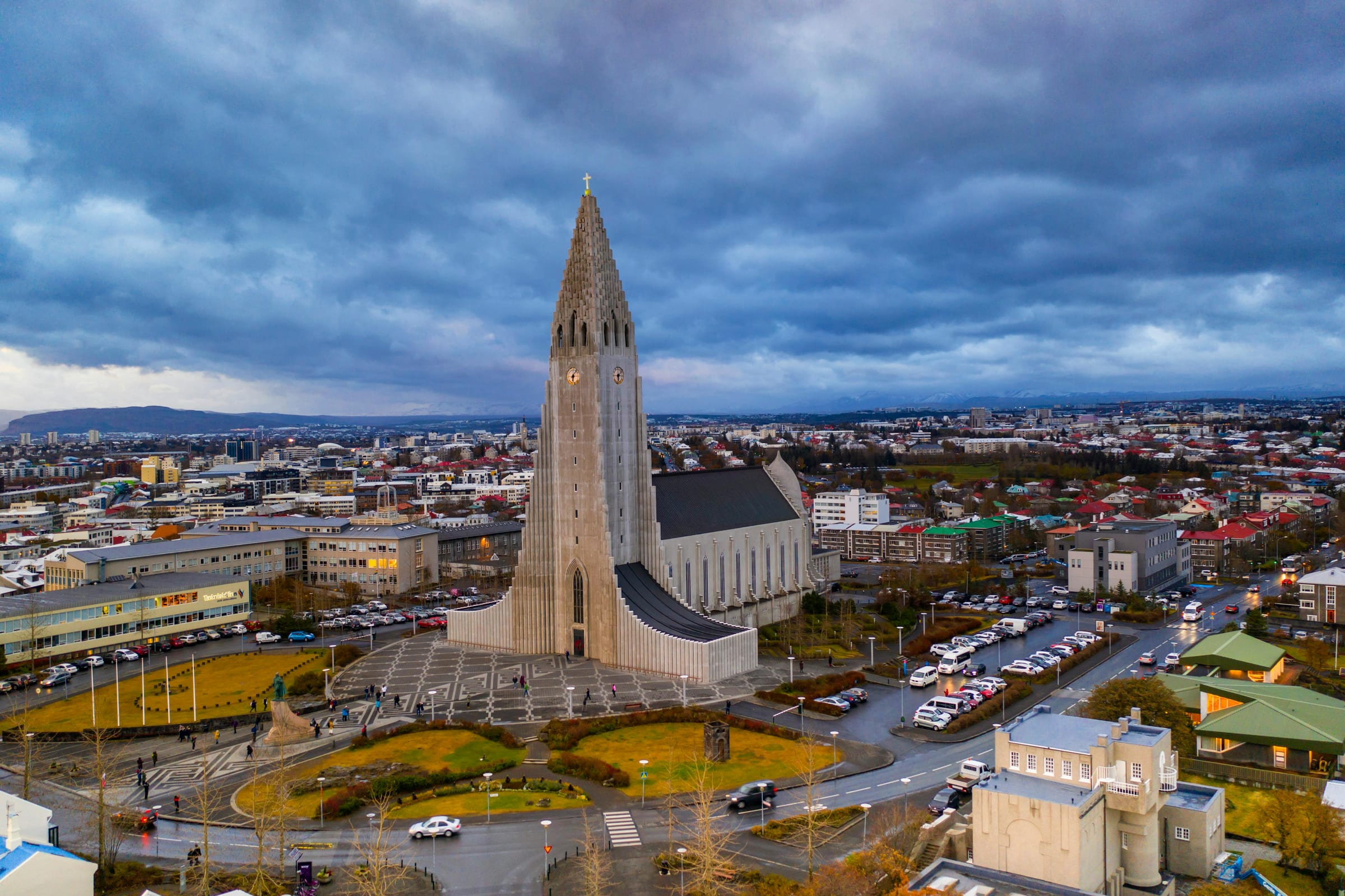
Hallgrímskirkja, the large Lutheran church that dominates the skyline, is useful as a visual anchor. It sits at the top of Skólavörðustígur, a street lined with independent shops and galleries running downhill toward the main shopping corridor of Laugavegur. Getting oriented around these two streets makes the rest of the city easier to navigate on foot.
Key stops worth building an itinerary around
The National Museum of Iceland
This is probably the most coherent single institution for understanding Icelandic history from the settlement period through the twentieth century. The permanent collection covers Viking Age artifacts, the shift to Christianity, Danish colonial rule, and the eventual emergence of the modern republic. It is the kind of museum that pays off if you give it two or three hours rather than rushing through. The building itself is not architecturally exciting, but the content is organized clearly and the exhibitions are well translated into English.
Harpa Concert Hall
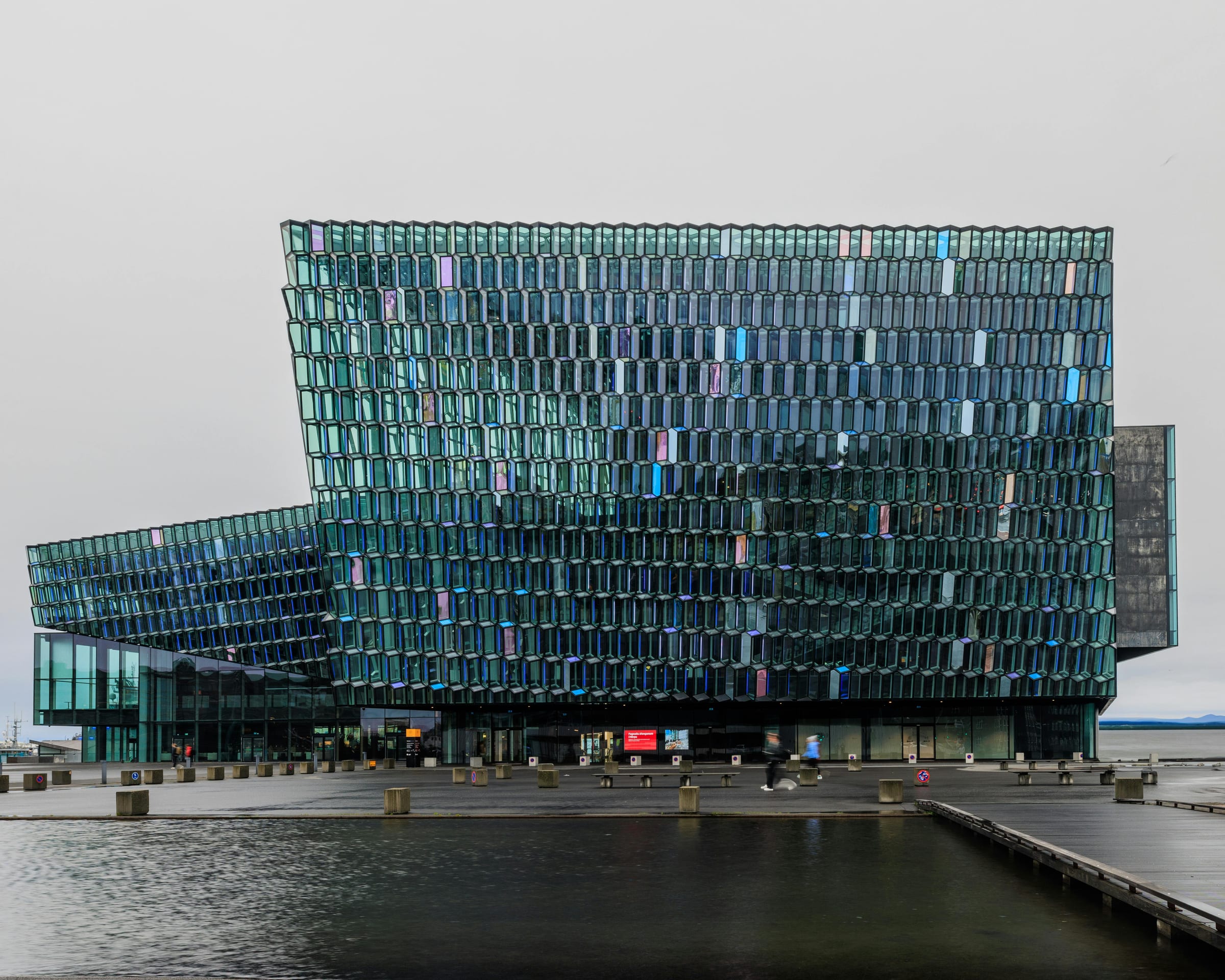
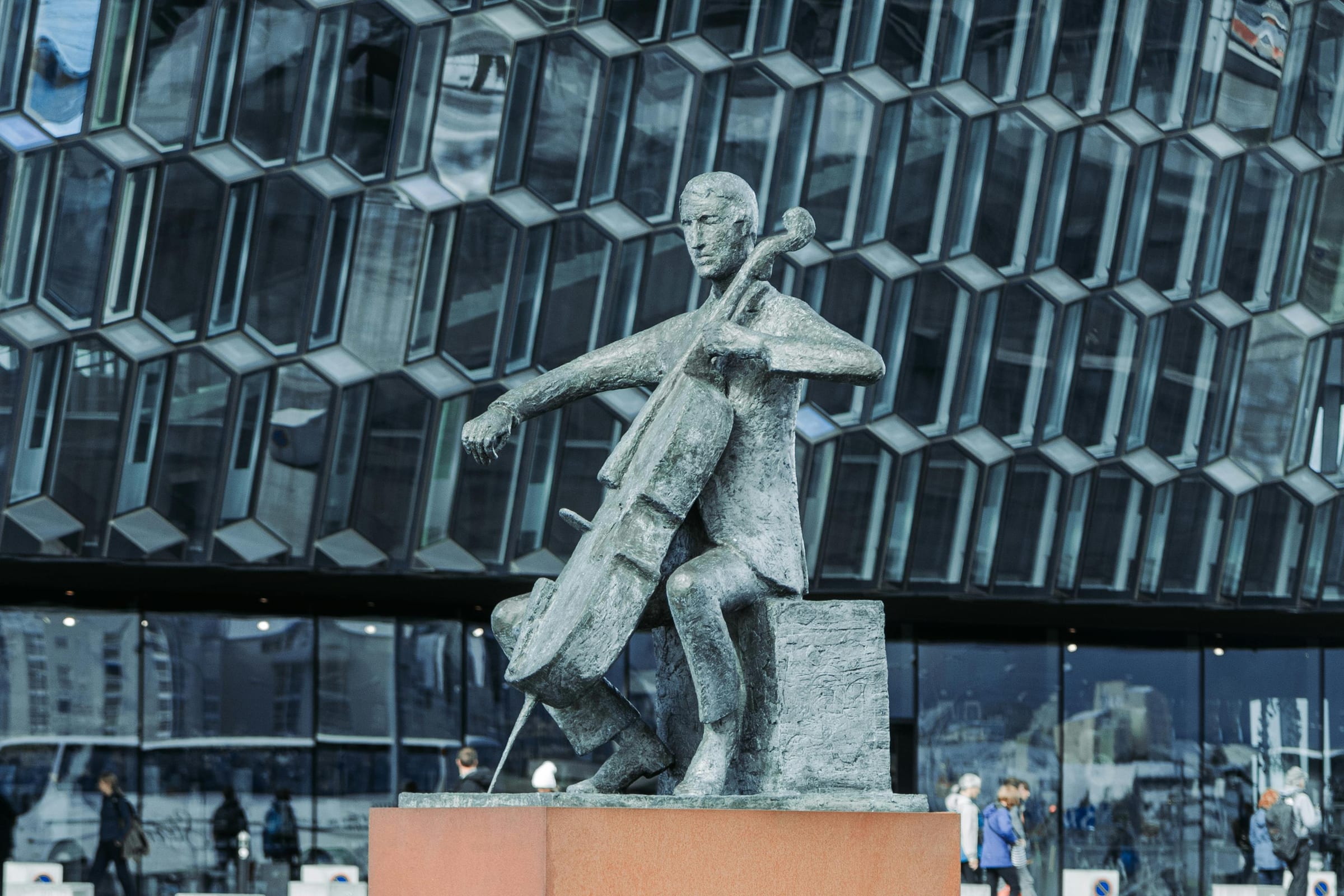
Harpa opened in 2011 and sits on the edge of the harbor. It is primarily a functioning concert venue and conference center, not a museum, but it merits attention for its architecture. The facade, designed in collaboration with artist Olafur Eliasson, is made up of geometric glass panels that shift color with the light and weather in ways that reward a visit at different times of day. You can walk into the public areas at no cost, and the interior atrium is worth seeing. If you are interested in attending a concert or show, check the schedule in advance.
The Settlement Exhibition
Built around a Viking Age longhouse discovered during construction in 2001, this underground museum sits beneath central Reykjavík and presents the archaeological evidence for the city’s earliest human habitation. The space is atmospheric in a way that contrasts with the National Museum’s more conventional layout. It focuses on a narrow period of history but does so with considerable depth. It pairs well with a visit to the National Museum on the same day if you want to bookend the ancient and the medieval.
Reykjavík Art Museum
The Art Museum operates across three separate buildings in different parts of the city: Hafnarhús near the harbor, Kjarvalsstaðir in a park to the east of the center, and Ásmundarsafn further east again. Each building has a different character and tends to focus on different aspects of Icelandic and international contemporary art. Hafnarhús hosts changing exhibitions and is the most active of the three in terms of turnover. Kjarvalsstaðir contains a substantial permanent collection of work by Jóhannes Kjarval, Iceland’s most celebrated painter. Unless you have a strong interest in visual art, one building is likely enough for a single visit.
The Reykjavík Maritime Museum
Located at the old harbor, this museum covers Iceland’s fishing history, which is not a peripheral topic but rather the economic and cultural foundation of the country for most of the twentieth century. One of its centerpieces is a retired coastguard vessel that visitors can board and explore. This tends to work well for visitors who find standard museum galleries tiring, since there is a tactile, physical element to moving through the ship.
Tjörnin and the City Hall area
The small lake called Tjörnin sits in the center of the city and the area around it, including the Icelandic City Hall which extends over the water, forms one of the more pleasant public spaces in Reykjavík. City Hall has free exhibitions on Icelandic geography and current civic events open to the public. The lakeside walk connects naturally to the nearby government district and to the Alþingishús, the parliament building, which is one of the oldest buildings in the city and represents a significant historical moment in Icelandic political life.
What to prioritize and what to cut when time is tight
If you have one day and genuine interest in Icelandic culture, the National Museum and the Settlement Exhibition together form a strong foundation. Add a walk from Harpa along the harbor to the Maritime Museum and you have a coherent day that covers history across multiple scales without doubling back unnecessarily.
If you have to choose between the three Art Museum buildings, Kjarvalsstaðir tends to offer the most distinctive experience because the Kjarval collection is not something you will find replicated elsewhere.
Hallgrímskirkja is often treated as the city’s primary landmark, and the tower offers panoramic views of the city worth considering if weather is cooperating. But it is a church first and a tourist attraction second, and the interior, while austere and atmospheric, does not require a long visit. The queues for the elevator to the tower can stretch during peak summer months.
Seasonal and daylight considerations
Reykjavík’s cultural institutions are largely indoor experiences, which makes the city a sensible base in winter when outdoor conditions are unpredictable. However, winter daylight is limited, so if you want to walk between sites and take in the city on foot, plan your outdoor movement for the middle of the day and save museum time for morning and late afternoon.
In summer, the extended daylight can distort your sense of time. A walk along the harbor at ten in the evening feels no different from mid-afternoon, which means it is easy to underestimate how much ground you have covered or how long you have been moving. Build rest into the schedule deliberately.
Practical planning considerations
Several of Reykjavík’s museums offer combination tickets or city cards that bundle admission across multiple institutions. These are worth comparing against individual admission costs based on what you actually intend to visit, since the savings are variable and the card may include institutions you have no realistic time for.
Most major museums are closed or operate reduced hours on certain weekdays, and public holidays in Iceland can affect access to institutions you might assume are always open. Checking current opening schedules on each institution’s own website before finalizing your daily plan is worthwhile, not as a formality but as genuine planning insurance.
Guided walking tours of the city, including architecture and history focused ones, tend to run from the city center and offer a useful orientation on the first day. They cover less depth than a museum but give context that makes subsequent independent visits more legible.